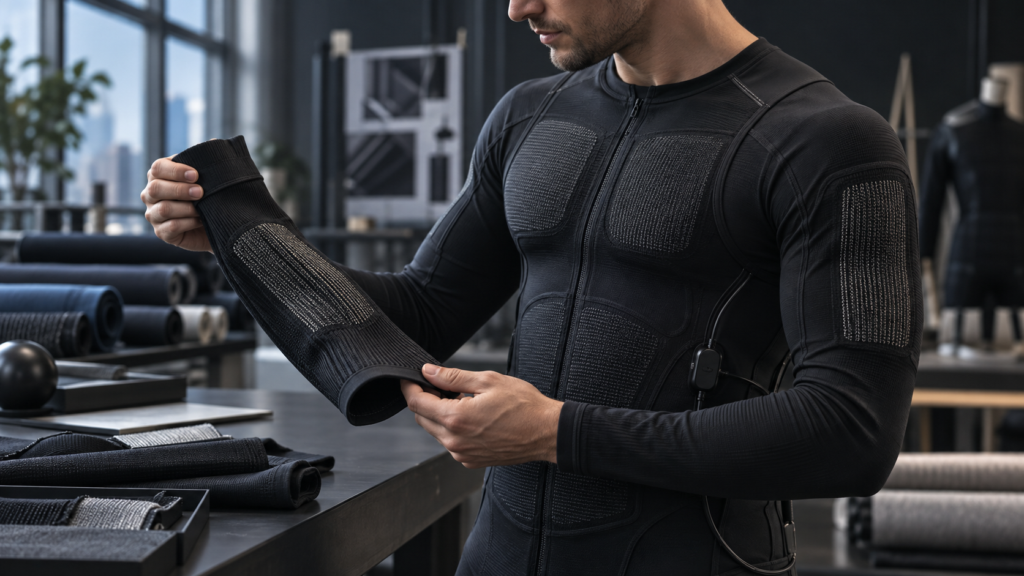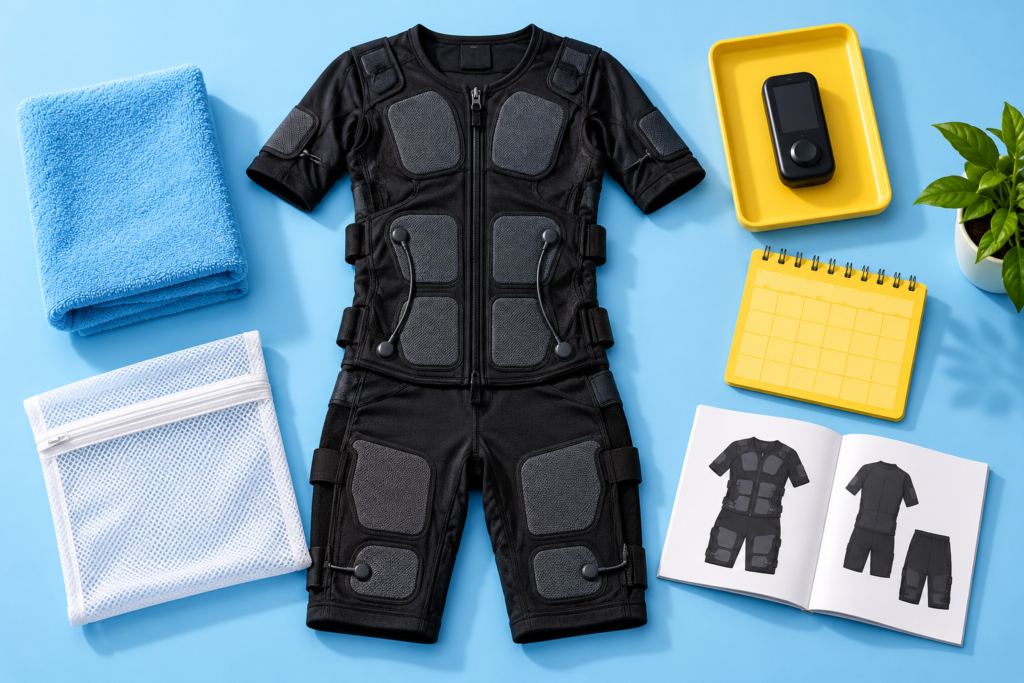

EMS training for athletes has evolved from fringe sports science experiment to mainstream performance tool. The growing body of research on EMS training for athletes provides clear guidance on how to integrate electrical muscle stimulation into competitive sport preparation. Research into ems training for athletes enhancing performance with el continues to evolve as more studios adopt evidence-based approaches.
EMS training for athletes effectiveness depends on understanding what EMS can and cannot contribute to athletic performance, and how to periodize its use within the context of sport-specific training. Understanding ems training for athletes enhancing performance with el is key for any trainer looking to modernize their program.
This article examines the evidence for EMS training for athletes, the primary applications, and practical integration guidelines for athletic performance enhancement. The evidence supporting ems training for athletes enhancing performance with el is growing steadily in the professional fitness space.
The Primary Athletic Applications of EMS
EMS sport conditioning primary applications for athletes: supplementary strength development, explosive power enhancement, recovery support between sessions, and targeted activation of specific muscle weaknesses. For coaches exploring ems training for athletes enhancing performance with el, proper protocol design is essential.

Athlete EMS training benefits include time efficiency (full-body stimulus in 20 minutes), joint-friendly loading during high-volume training phases, and specific neuromuscular adaptations that complement conventional training. Clients asking about ems training for athletes enhancing performance with el deserve clear, evidence-informed guidance.
EMS training for athletes strength development: research supports EMS as an effective tool for developing athletic strength, particularly for trained athletes who need novel stimuli to continue progressing. The practical application of ems training for athletes enhancing performance with el varies depending on goals and client profile.
Targeted activation focuses on specific muscle groups that are important to performance or injury risk management — activating the glutes in athletes with poor gluteal recruitment, strengthening the VMO in athletes with knee tracking issues, or improving transverse abdominis activation for spinal stability. These targeted applications may be integrated into warm-up routines, rehabilitation protocols, or supplementary conditioning work. Studios investing in ems training for athletes enhancing performance with el report strong client retention and satisfaction.
What the Research Shows for Athletic Populations: Ems training for athletes enhancing performance with el
EMS training for athletes systematic review evidence demonstrates that WB-EMS training added to conventional athletic training produces meaningful additional strength and power improvements. Anyone serious about ems training for athletes enhancing performance with el should prioritize certified equipment and trained staff.
EMS training for athletes strength research shows that EMS conditioning produces strength gains in trained athletes comparable to additional resistance training sessions. The business case for ems training for athletes enhancing performance with el is supported by both research and real-world results.
EMS training for athletes recovery applications: beyond conditioning, EMS is increasingly used for recovery management between sessions, allowing athletes to maintain training frequency while managing accumulated fatigue. Getting the most from ems training for athletes enhancing performance with el requires consistent protocol and progress tracking.
An important caveat across athletic EMS research is that the closer an athlete is to their physiological ceiling, the smaller the marginal effect of any intervention — including EMS. The best-evidenced benefits tend to be found in athletes who are well-trained but have room for further adaptation, rather than in athletes operating at the absolute limits of elite performance where marginal gains require extreme training precision. Safety remains a top priority in any ems training for athletes enhancing performance with el program.
Integrating EMS Into an Athletic Training Cycle
EMS training for athletes periodization: off-season and pre-season are the ideal phases for conditioning EMS in athletic programs, with in-season application shifting to recovery and maintenance. Professionals offering ems training for athletes enhancing performance with el benefit from ongoing education and certification.
Electrical muscle stimulation athletes training frequency: the 1-2 sessions per week framework for EMS conditioning is appropriate for most athletic populations when combined with existing training loads.
During competition-heavy periods, EMS recovery protocols — low-intensity, circulation-focused sessions — can complement the conventional recovery toolkit (nutrition, sleep, compression, cold therapy) without adding training stress. This separation between high-intensity EMS conditioning and low-intensity EMS recovery is important for program design.

Working with a sports performance coach or strength and conditioning specialist who understands both EMS technology and the specific demands of the athlete’s sport is the best approach to integration — ensuring that EMS is used where it adds value without disrupting the overall training and competition schedule.
Sport-Specific Considerations
EMS sport conditioning for different sports: the specific applications of EMS training for athletes vary by sport, with power sports favoring high-frequency conditioning protocols and endurance sports emphasizing recovery applications.
Team sports with mixed physical demands — football, basketball, rugby — can potentially benefit from multiple EMS applications across a training week: power development EMS during preparation phases, recovery EMS during congested fixture periods, and targeted activation work for injury prevention throughout.
Combat sports — martial arts, boxing, wrestling — have specific physical demands around reactive strength, rotational power, and rapid force production that align well with neuromuscular EMS conditioning approaches. Several combat sport training programs have integrated EMS for both supplementary conditioning and recovery purposes.
Conclusion
EMS training for athletes represents a legitimate and growing component of competitive sport preparation. The evidence strongly supports its supplementary role across multiple athletic populations.
For athletes and coaches considering EMS integration, the most important principle is appropriate periodization — ensuring EMS training for athletes aligns with the overall training plan rather than adding to cumulative fatigue.
Ready to add EMS to your athletic training? Explore our brand reviews and product reviews for professional EMS systems, or compare options with our product comparison tool.
Frequently Asked Questions
Should athletes use EMS training?
EMS training for athletes can be a valuable supplementary tool. The evidence supports EMS performance enhancement through strength development and recovery optimization. EMS training for athletes works best as a complement to sport-specific training.
How does EMS benefit athletic performance?
The primary evidence-supported athletic benefits of EMS include supplementary improvements in strength and power output, faster recovery between training sessions and competitions, and targeted activation of specific muscle groups relevant to performance or injury risk. The research shows these as supplementary rather than primary training effects.
Can EMS replace regular athletic training?
No. EMS training is most effective as a supplement to conventional athletic training — it cannot replicate the sport-specific skill development, cardiovascular conditioning, or the complex movement patterns that comprise most sports training. Its value is in augmenting, not replacing, well-designed conventional programs.
When in the training cycle should athletes use EMS?
High-intensity EMS conditioning is typically most valuable during off-season or pre-season strength development phases. Recovery EMS can be used throughout the competitive season. The specific timing should be integrated into the overall periodization plan with professional guidance to avoid overtraining.
Is EMS training safe for young athletes?
EMS training is generally not recommended for athletes under 18 years of age due to limited research on effects during physical development. Young athletes should consult their healthcare provider and work with qualified coaches before considering EMS training.