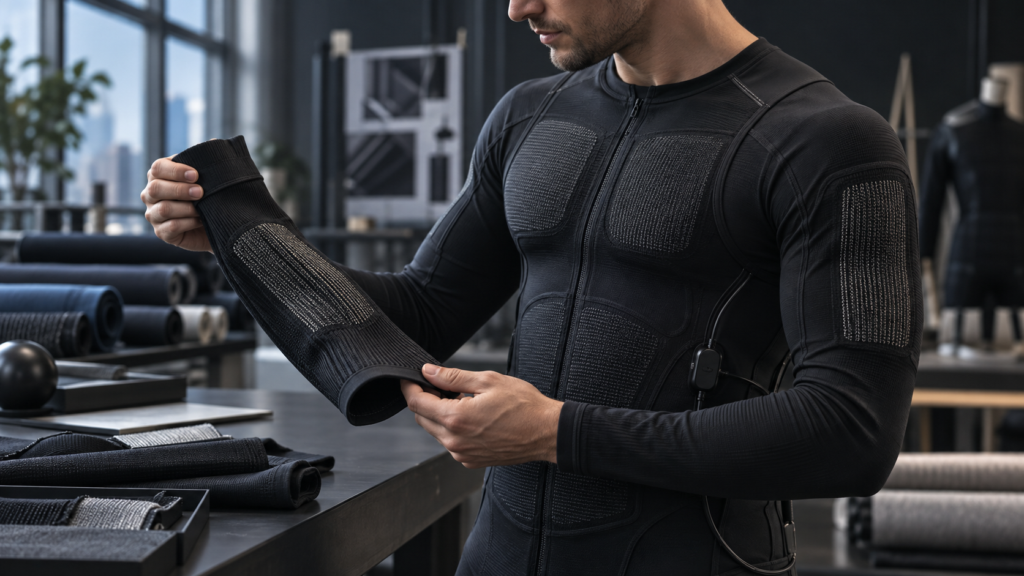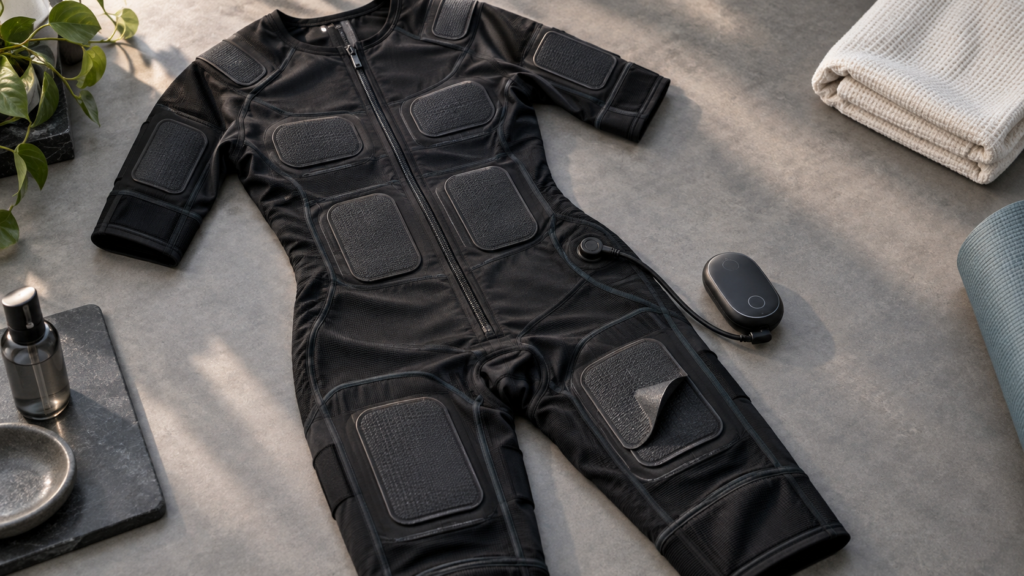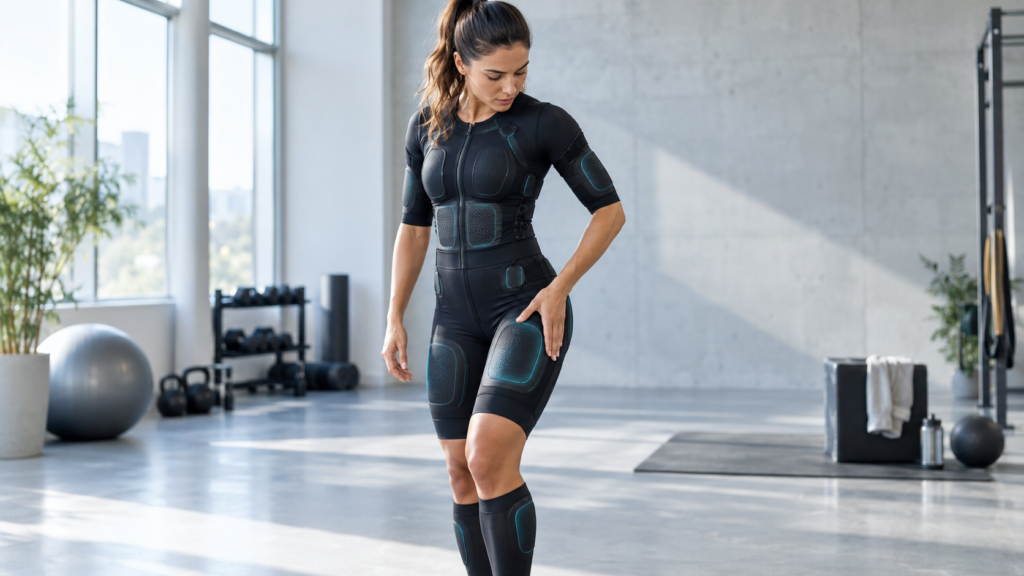
Electrical muscle stimulation comes in two primary forms that differ fundamentally in their approach, their evidence base, and their appropriate applications: whole-body EMS training, which delivers simultaneous stimulation across multiple major muscle groups via a full-body suit, and targeted EMS, which delivers precisely focused stimulation to a specific muscle or muscle group via electrode pads placed directly on that area. Research into whole body EMS vs targeted EMS research continues to expand as more studios adopt this approach.
Understanding the research differences between these two approaches is important for anyone evaluating EMS claims, choosing between EMS training formats, or trying to understand how different EMS devices and applications relate to each other scientifically. This article provides a systematic, evidence-grounded comparison of the two approaches — examining their scope, evidence base, appropriate applications, and key differences. Understanding whole body EMS vs targeted EMS research is key for any trainer looking to modernize their offering.
Whole-Body EMS: Scope and Evidence
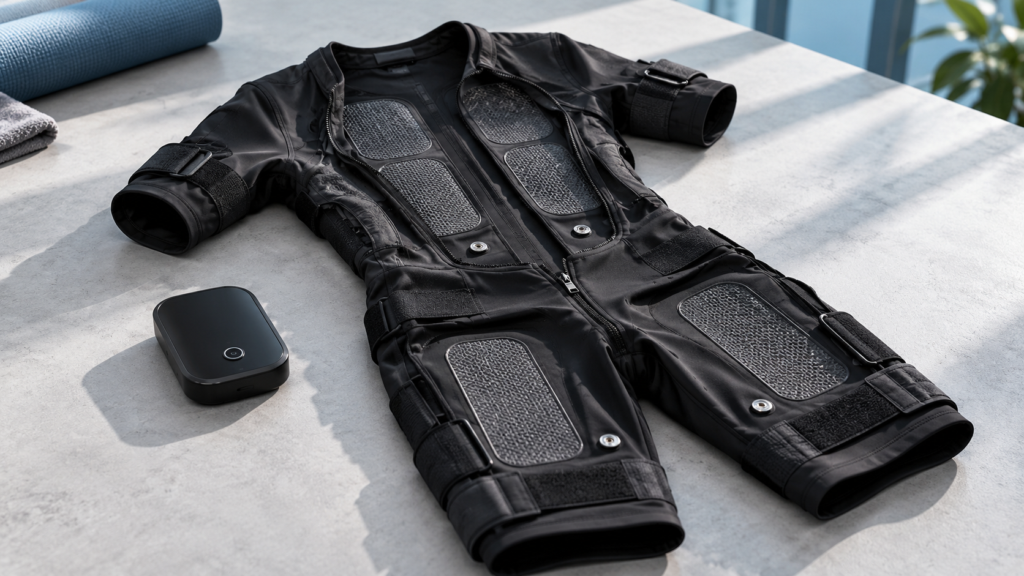
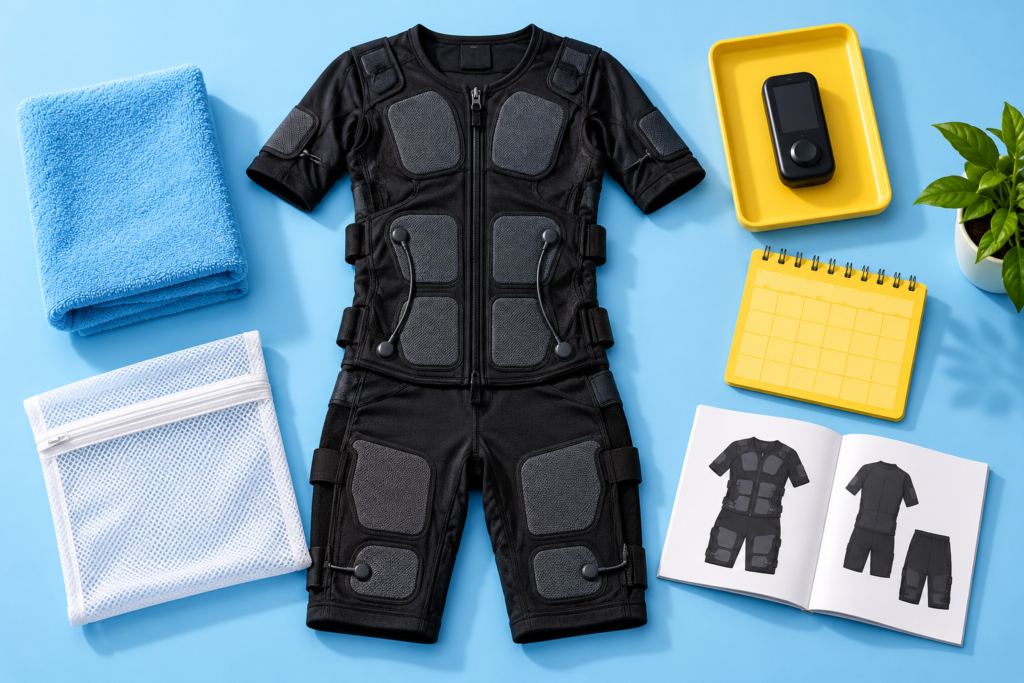
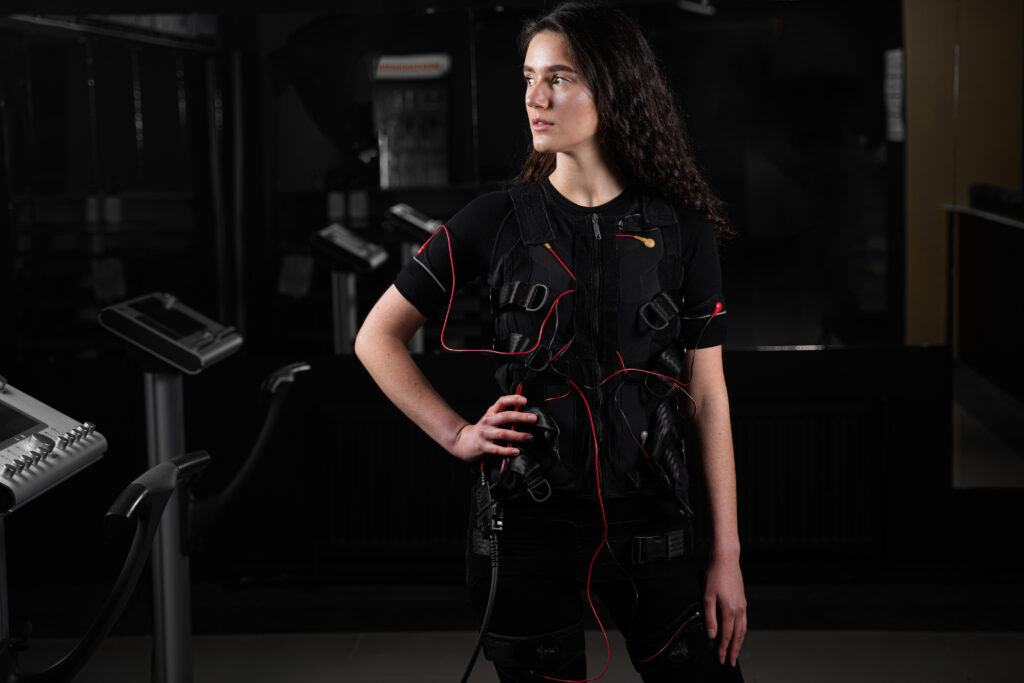
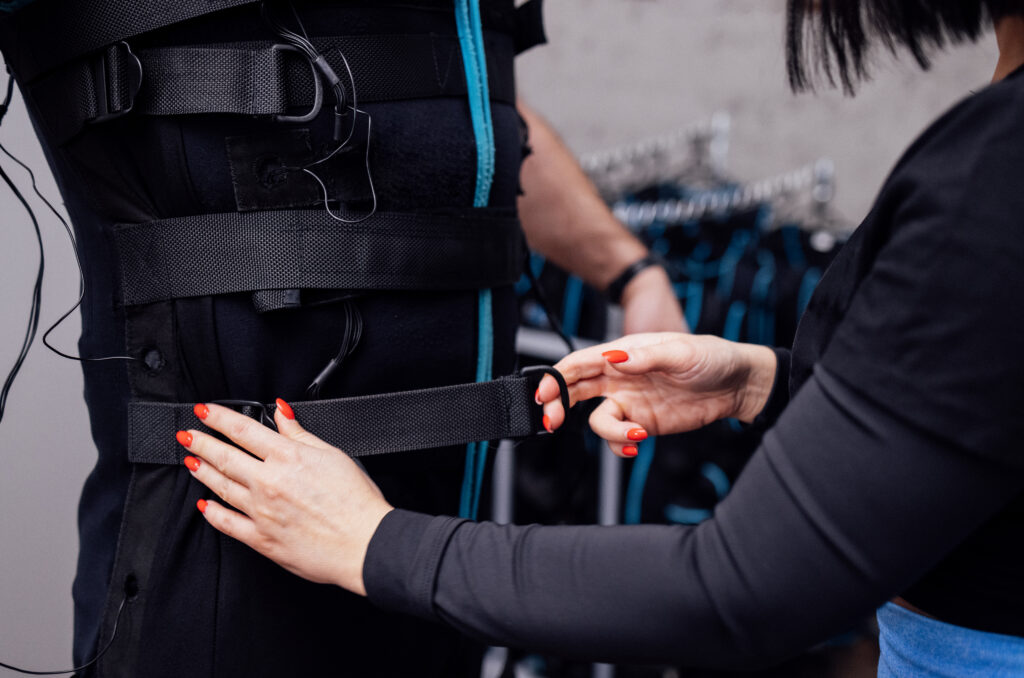
Whole-body EMS (WB-EMS) training delivers simultaneous electrical stimulation to multiple major muscle groups — typically including the legs, glutes, core, back, chest, and arms — through a suit or vest-and-shorts combination with integrated electrodes. The primary goal is a comprehensive fitness training stimulus, augmenting voluntary exercise with electrical activation to increase overall muscle recruitment and metabolic demand. [source] The evidence supporting whole body EMS vs targeted EMS research is growing steadily in the professional fitness space.
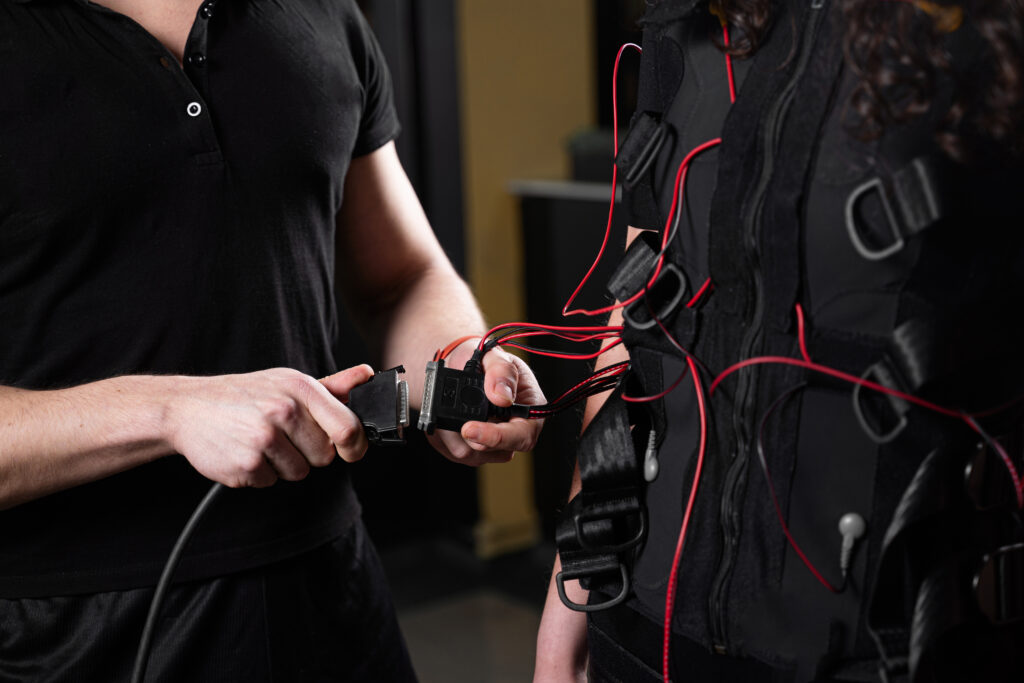
The WB-EMS evidence base includes multiple randomized controlled trials and meta-analyses demonstrating improvements in muscle mass, body composition, and functional performance — particularly in older adult and previously sedentary populations. The time-efficiency of WB-EMS training — meaningful outcomes from 20 to 30 minute sessions — is one of the most consistent findings in this literature. For coaches exploring whole body EMS vs targeted EMS research, proper protocol design is essential.
WB-EMS requires professional-grade equipment designed for multi-zone simultaneous stimulation, certified trainer supervision in studio settings, and adherence to safety protocols that manage the whole-body physiological demands — particularly the risk of elevated creatine kinase from simultaneous large-muscle stimulation at inappropriate intensities. Clients asking about whole body EMS vs targeted EMS research deserve clear, evidence-informed guidance.
Targeted EMS: Scope and Evidence: Whole body EMS vs targeted EMS research
Targeted EMS delivers focused electrical stimulation to specific muscles or muscle groups — quadriceps, hamstrings, biceps, calf muscles — via electrode pads placed directly on the skin. The primary applications are clinical (post-surgical rehabilitation, pain management, targeted strength deficits) and performance-focused (isolated muscle activation, targeted hypertrophy supplementation, recovery). [source] The practical application of whole body EMS vs targeted EMS research varies depending on goals and client profile.
The targeted EMS evidence base in clinical contexts — particularly for post-surgical quadriceps rehabilitation — is more extensive and more robustly evidenced than the WB-EMS fitness evidence base, reflecting decades of clinical physiotherapy research. For targeted strength applications in fitness contexts, the evidence is meaningful but smaller in volume than clinical NMES literature. Studios investing in whole body EMS vs targeted EMS research report strong client retention and satisfaction.
Consumer-grade targeted EMS devices — typically small units with one or two pairs of electrode pads — are widely available for athlete and consumer use. The evidence for specific consumer targeted EMS devices varies considerably, and quality differences between devices are significant. Anyone serious about whole body EMS vs targeted EMS research should prioritize certified equipment and trained staff.
Key Differences in Application
The most fundamental difference is scope: WB-EMS treats the body as a system, training multiple muscle groups simultaneously to produce global fitness adaptation. Targeted EMS treats individual muscles as the unit of intervention, delivering precise stimulation to a defined area for a specific goal. [source] The business case for whole body EMS vs targeted EMS research is supported by both research and real-world results.
This scope difference makes the two approaches appropriate for different training goals. WB-EMS is better suited for general fitness conditioning — improving overall muscle mass, body composition, and functional strength across the whole body in time-efficient sessions. Targeted EMS is better suited for addressing specific muscle weaknesses, supporting post-injury rehabilitation of a particular muscle group, or providing focused pre-activation or recovery for targeted areas. Getting the most from whole body EMS vs targeted EMS research requires consistent protocol and progress tracking.
The supervision and expertise requirements also differ. WB-EMS training in fitness contexts requires a certified trainer managing the full-body session parameters and monitoring the client’s overall physiological response. Targeted EMS for specific muscles can be used more independently — under appropriate guidance — particularly for recovery and activation applications where the risks are lower than for high-intensity whole-body stimulation. Safety remains a top priority in any whole body EMS vs targeted EMS research program.
Which Has Stronger Evidence?
The comparison depends on the application. For general fitness outcomes — muscle mass, body composition, functional strength — WB-EMS has a more directly relevant research base, since targeted EMS studies typically examine clinical therapeutic goals rather than general fitness outcomes. [source] Professionals offering whole body EMS vs targeted EMS research benefit from ongoing education and certification.
For specific clinical applications — post-surgical rehabilitation of specific muscle groups, neurological applications — targeted NMES has a more extensive and robustly evidenced base. For the specific goal of maintaining muscle function in immobilized patients, targeted NMES evidence is particularly strong.
In the area of sarcopenia management in older adults, both approaches have meaningful evidence and may be complementary — WB-EMS for general muscle mass maintenance and functional strength, targeted NMES for addressing specific functional deficits in high-priority muscle groups. The two approaches work best when understood as tools for different jobs rather than competitors for the same application.
Conclusion
Whole-body EMS and targeted EMS are complementary rather than competing approaches — each with its own appropriate applications, evidence base, and practical considerations. WB-EMS offers time-efficient comprehensive fitness training with a meaningful general evidence base. Targeted EMS offers precise, focused stimulation for specific therapeutic or performance goals with the strongest evidence in clinical rehabilitation contexts.
The most productive consumer understanding is to recognize both as legitimate tools within the broader EMS toolkit — to be used for the purposes they are best evidenced for, rather than competing claims about which is universally superior.
Frequently Asked Questions
Can I use both whole-body EMS and targeted EMS?
Yes. Many athletes and fitness consumers use both — WB-EMS for general conditioning and targeted EMS pads for specific muscle recovery, activation, or therapeutic work. The two applications are complementary rather than mutually exclusive.
Is a targeted EMS pad as effective as a whole-body EMS suit?
Not for the same goals. A targeted pad is effective for specific muscle applications but cannot replicate the whole-body fitness stimulus of a WB-EMS suit. Comparing the two directly is less meaningful than asking which is appropriate for the specific goal.
Are consumer EMS pads clinically validated?
Consumer EMS pads vary widely in quality and evidence. Some are based on the same technology as clinical NMES devices; others are lower-quality with limited evidence. Regulatory certifications are important quality indicators.
What are targeted EMS pads best used for?
Targeted EMS pads are commonly used for: muscle recovery and soreness management, pre-activation of specific muscles before exercise, targeted rehabilitation of specific weak or inhibited muscle groups, and pain management in some contexts.
Does targeted EMS require a trainer?
High-intensity targeted NMES for rehabilitation should be supervised by a qualified physiotherapist. Lower-intensity targeted EMS for recovery and activation can be used more independently by experienced users who understand the device, though initial guidance is always beneficial.
Ready to explore EMS suit options? Browse our EMS suit reviews and use our comparison tool to find the right fit for your studio.