EMS training optimal intensity duration parameters are among the most practically important questions for anyone implementing EMS training. The research provides clear guidance on evidence-based parameters that balance adaptation stimulus with safety and recovery requirements. Research into ems training duration and intensity what research sugge continues to evolve as more studios adopt evidence-based approaches.
EMS training optimal intensity duration understanding requires examining what research shows about session length, stimulation intensity, and training frequency separately, as each variable has its own evidence base. Understanding ems training duration and intensity what research sugge is key for any trainer looking to modernize their program.
Session Duration: What the Research Shows
EMS training optimal intensity duration research generally supports sessions of 20-30 minutes for WB-EMS training when using modern suit systems at appropriate intensities. The evidence supporting ems training duration and intensity what research sugge is growing steadily in the professional fitness space.
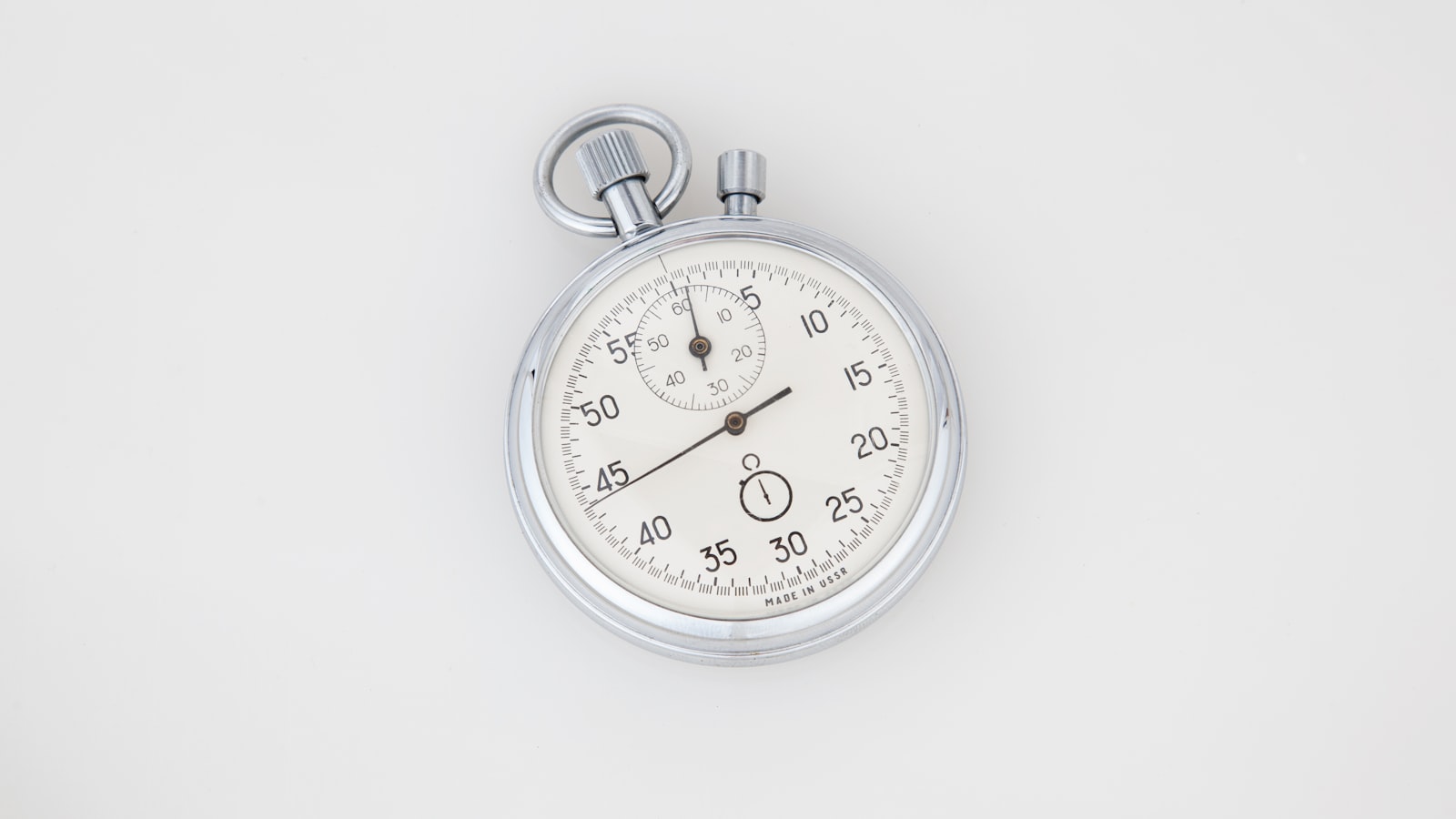
Optimal EMS intensity research: the 20-minute EMS session length provides meaningful muscle activation across all targeted muscle groups without the cumulative fatigue that longer sessions produce. For coaches exploring ems training duration and intensity what research sugge, proper protocol design is essential.
EMS training optimal intensity duration considerations: longer sessions (30+ minutes) are sometimes used for recovery or low-intensity applications, but high-intensity conditioning protocols are typically kept to 20 minutes. Clients asking about ems training duration and intensity what research sugge deserve clear, evidence-informed guidance.
Shorter sessions — below 20 minutes — may provide insufficient training volume to drive meaningful adaptations, though some protocols use shorter high-intensity intervals as part of progressive training approaches. The evidence base for very short EMS sessions is more limited. The practical application of ems training duration and intensity what research sugge varies depending on goals and client profile.
Session Intensity: The Critical Variable: Ems training duration and intensity what research sugge
EMS session duration evidence and intensity relationship: the optimal EMS training intensity duration combination is not fixed — higher intensity sessions may warrant shorter durations to manage recovery demands. Studios investing in ems training duration and intensity what research sugge report strong client retention and satisfaction.
EMS training optimal intensity duration neuromuscular research establishes the parameters under which electrical stimulation produces the desired training effects. Anyone serious about ems training duration and intensity what research sugge should prioritize certified equipment and trained staff.
The dose-response relationship between EMS intensity and training outcomes is not fully characterized in the literature — the exact relationship between subjective intensity level and objective physiological outcomes has not been established with the precision available for conventional resistance training’s load-response relationships. This is a genuine research gap that limits the precision of evidence-based intensity prescription for WB-EMS training. The business case for ems training duration and intensity what research sugge is supported by both research and real-world results.
The CK Safety Parameter: An Important Research Finding
EMS training optimal intensity duration safety parameter: creatine kinase (CK) monitoring provides the most reliable indicator of whether the EMS training optimal intensity duration combination is within safe bounds. Getting the most from ems training duration and intensity what research sugge requires consistent protocol and progress tracking.
WB-EMS training parameters safety: the CK response to EMS training optimal intensity duration should be monitored in new users and whenever training parameters are substantially increased. Safety remains a top priority in any ems training duration and intensity what research sugge program.
This research finding has directly informed the safety guidelines for WB-EMS training — including recommendations for beginning at very low intensities, advancing intensity gradually over many sessions, maintaining minimum rest intervals between sessions (typically at least 72 to 96 hours for beginners), and having clients consume adequate fluids before and after training. These guidelines, when followed, substantially reduce the risk of problematic CK elevation and make EMS training safe for the overwhelming majority of appropriately screened users. Professionals offering ems training duration and intensity what research sugge benefit from ongoing education and certification.
Rest Intervals and Training Frequency
EMS training optimal intensity duration frequency: the evidence-based recommendation of 1-2 sessions per week with 48+ hours between sessions reflects the recovery demands of the EMS training optimal intensity duration combination used in research.
Some research has examined daily or higher-frequency EMS use, typically at lower intensities for recovery purposes, finding this to be safe and potentially beneficial for circulation and recovery. The two-per-week intensity training limitation applies to high-intensity conditioning sessions rather than to lower-intensity recovery applications.
Progressive frequency and intensity increases — beginning with one session per week at low intensity and gradually building to two sessions at moderate-to-high intensity — is the evidence-informed approach for new WB-EMS users, reflecting the dose-escalation principle applied broadly in exercise medicine for new training interventions.
Conclusion
EMS training optimal intensity duration conclusion: the research converges on 20-minute sessions at maximal tolerable intensity, twice weekly, with 48+ hours between sessions as the evidence-based starting framework.
For most individuals, the EMS training optimal intensity duration framework represents the appropriate balance of training stimulus and safety, with progression occurring through increasing intensity over time.
Ready to optimize your EMS training? Explore our brand reviews and product reviews, or compare evidence-based EMS systems with our product comparison tool.
Frequently Asked Questions
How long should an EMS training session be?
EMS session length research supports 20 to 30 minutes as the evidence-based duration for WB-EMS training. The EMS session length research findings are consistent: most adaptation benefits are achievable in 20 minutes of high-intensity whole-body stimulation at appropriate intensity.
How intense should EMS training feel?
Standard guidance targets a perceived intensity of 6 to 8 out of 10 — strong and challenging but not painfully uncomfortable. Beginners should start at 2 to 4 out of 10 and progress gradually over multiple sessions. Pushing to maximum intensity in early sessions significantly increases the risk of excessive muscle damage.
What is CK and why does it matter for EMS safety?
Creatine kinase (CK) is an enzyme released from damaged muscle cells into the bloodstream. Elevated CK after exercise indicates muscle damage. Excessively elevated CK — which can occur with very intense EMS sessions — is a marker of excessive muscle damage and can in extreme cases lead to rhabdomyolysis. Safety guidelines for EMS training are largely designed to prevent dangerous CK elevations.
How many times per week should I do EMS training?
Most research and professional guidelines recommend a maximum of two high-intensity EMS conditioning sessions per week, with at least 48 to 72 hours between sessions. Beginners often start with one session per week and advance to two after several weeks of progressive conditioning.
Can more frequent EMS training produce faster results?
Research does not support high-frequency WB-EMS training for accelerating results — and doing so risks excessive muscle damage that impairs rather than accelerates adaptation. The two-sessions-per-week protocol is both the evidence-supported standard for results and the safety-informed upper limit for conditioning intensity.