EMS cardiovascular health research is an active area of inquiry, driven by the growing use of whole-body EMS in fitness and rehabilitation contexts. The question of how EMS training affects the heart, blood vessels, and aerobic capacity is important for both efficacy and safety. Research into ems and cardiovascular health what limited research shows continues to evolve as more studios adopt evidence-based approaches.
EMS cardiovascular health effects differ significantly from conventional cardiovascular exercise. EMS training produces cardiovascular demands during sessions — elevated heart rate, increased cardiac output — but does not produce the sustained aerobic adaptations that conventional cardio training generates. Understanding ems and cardiovascular health what limited research shows is key for any trainer looking to modernize their program.

How EMS Training Affects the Cardiovascular System During a Session
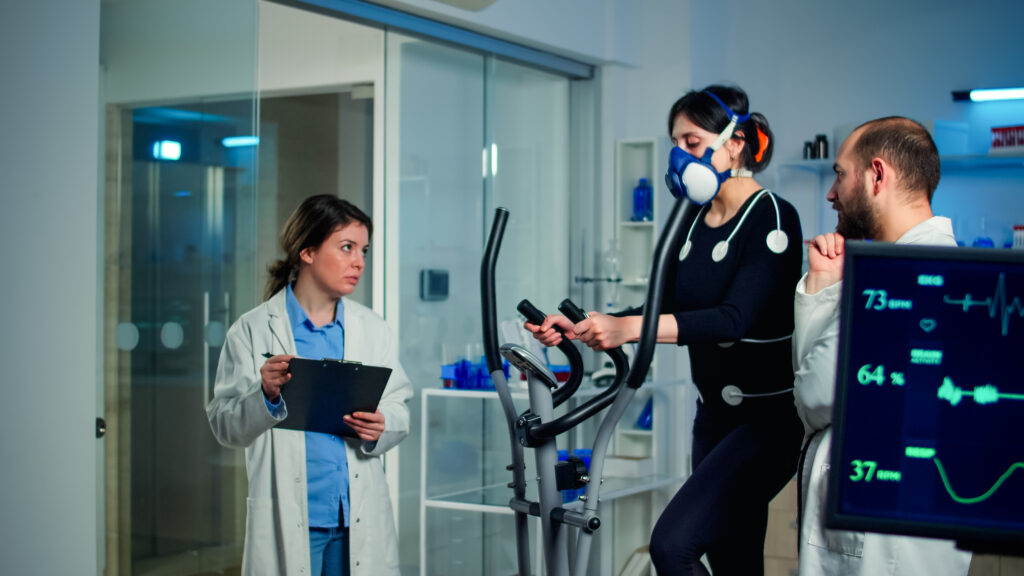
During an EMS cardiovascular health session, the widespread muscle activation creates significant cardiovascular demand. Research has documented heart rate elevations of approximately 70-100 bpm during whole-body EMS, comparable to moderate-intensity cardiovascular exercise. The evidence supporting ems and cardiovascular health what limited research shows is growing steadily in the professional fitness space.
EMS cardiovascular health research on blood pressure and vascular effects: the cardiovascular demand created by EMS may also contribute to acute blood pressure responses, with some studies showing post-exercise hypotension similar to conventional exercise. For coaches exploring ems and cardiovascular health what limited research shows, proper protocol design is essential.
More recent research on EMS aerobic capacity effects shows that EMS cardiovascular health outcomes for aerobic conditioning may be more meaningful in sedentary or deconditioned populations than in already-active individuals. Clients asking about ems and cardiovascular health what limited research shows deserve clear, evidence-informed guidance.
Blood Pressure and Vascular Health: Ems and cardiovascular health what limited research shows
EMS heart health research on blood pressure and vascular effects shows some promising findings. Several studies have found modest reductions in blood pressure following EMS training programs, though the mechanisms and consistency of this effect across populations is not fully established. The practical application of ems and cardiovascular health what limited research shows varies depending on goals and client profile.
The plausible mechanism for EMS-related blood pressure benefits involves improvements in vascular compliance and endothelial function associated with increased muscular activity and metabolic demand during training — mechanisms similar to those that contribute to blood pressure benefits from conventional resistance and aerobic exercise. Studios investing in ems and cardiovascular health what limited research shows report strong client retention and satisfaction.
Microcirculation effects — improvements in blood flow to specific tissue areas from the rhythmic muscular contractions produced by EMS — have been proposed as a mechanism for localized circulatory health benefits. Some clinical EMS literature in the context of chronic venous insufficiency and peripheral circulatory conditions has found benefits from targeted electrical stimulation, though these findings are in clinical populations distinct from fitness EMS users. Anyone serious about ems and cardiovascular health what limited research shows should prioritize certified equipment and trained staff.
EMS and Aerobic Capacity: A Significant Limitation
EMS cardiovascular health benefits have significant limitations regarding aerobic capacity. Whole body EMS cardiovascular adaptations for aerobic endurance are not well-established. EMS training produces cardiovascular demand but does not consistently produce the adaptations in VO2max or aerobic threshold that conventional cardiovascular training generates. The business case for ems and cardiovascular health what limited research shows is supported by both research and real-world results.
For EMS cardiovascular health in deconditioned individuals, however, EMS may produce meaningful aerobic adaptations as an initial conditioning stimulus. Whole body EMS cardiovascular adaptations in very sedentary adults may be more pronounced than in already-active populations. Getting the most from ems and cardiovascular health what limited research shows requires consistent protocol and progress tracking.
EMS cardio effects research consistently shows that EMS does not significantly increase VO2max or aerobic threshold in already-active individuals. EMS cardiovascular health benefits are better understood as supplementary cardiovascular conditioning rather than primary aerobic development. Safety remains a top priority in any ems and cardiovascular health what limited research shows program.

Safety Considerations for Cardiac Health
EMS cardiovascular health safety is particularly important for individuals with cardiac conditions. People with pacemakers or implantable cardiac defibrillators should not use EMS. Those with diagnosed heart disease, recent cardiac events, or significant cardiac risk factors should obtain medical clearance before EMS training. Professionals offering ems and cardiovascular health what limited research shows benefit from ongoing education and certification.
EMS cardiovascular health monitoring should include heart rate awareness during sessions, particularly at higher stimulation intensities. Trainers should understand the normal cardiovascular response to EMS and recognize signs that warrant session interruption.
Conclusion
EMS cardiovascular health effects are real but modest and specific. EMS training creates meaningful cardiovascular demand during sessions and may produce some cardiovascular adaptations, but it should not be positioned as a replacement for cardiovascular exercise.
For EMS cardiovascular health in specific populations — sedentary individuals who cannot perform conventional exercise, those with mobility limitations, or those seeking to supplement cardiac rehabilitation — EMS may offer a useful cardiovascular stimulus alongside other interventions.
Interested in EMS training? Explore our brand reviews and product reviews, or compare options with our product comparison tool.
Frequently Asked Questions
Is EMS training good for the heart?
EMS training produces meaningful cardiovascular demand during sessions — elevating heart rate and cardiac output similarly to moderate-intensity exercise. This contributes to overall cardiovascular activity. However, it does not produce the same cardiovascular endurance adaptations as sustained aerobic exercise, and individuals with cardiovascular health goals should not rely on EMS alone to meet those goals.
Can EMS training replace cardio?
For cardiovascular endurance development, EMS training does not replace conventional aerobic exercise. The specific sustained large-muscle aerobic challenge that drives VO₂max improvement and cardiovascular endurance adaptation is not replicated by standard WB-EMS training protocols. EMS and cardiovascular exercise are complementary, not interchangeable.
Is EMS safe for people with heart conditions?
This depends on the specific condition. EMS is contraindicated for people with implanted cardiac devices including pacemakers and implantable defibrillators. People with other heart conditions — including coronary artery disease, arrhythmias, or significant hypertension — should seek medical clearance from their cardiologist before beginning EMS training.
Does EMS affect blood pressure?
A small body of research has found modest reductions in resting blood pressure following WB-EMS training in some populations, particularly those with elevated baseline blood pressure. However, this evidence is limited and preliminary. EMS should not be used as a primary intervention for blood pressure management without medical guidance.
How high does heart rate go during an EMS session?
Research has measured heart rate elevations of approximately 70 to 85 percent of maximum during intense WB-EMS sessions — comparable to moderate-to-vigorous conventional exercise. Actual heart rate response varies significantly by individual, session intensity, and protocol design.
Ready to explore EMS suit options? Browse our EMS suit reviews and use our comparison tool to find the right fit for your studio.