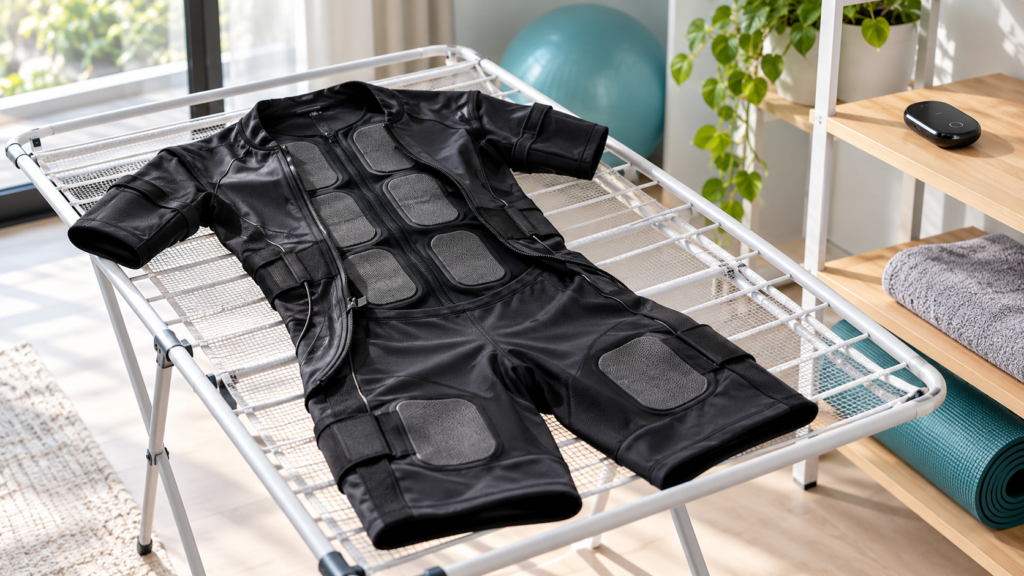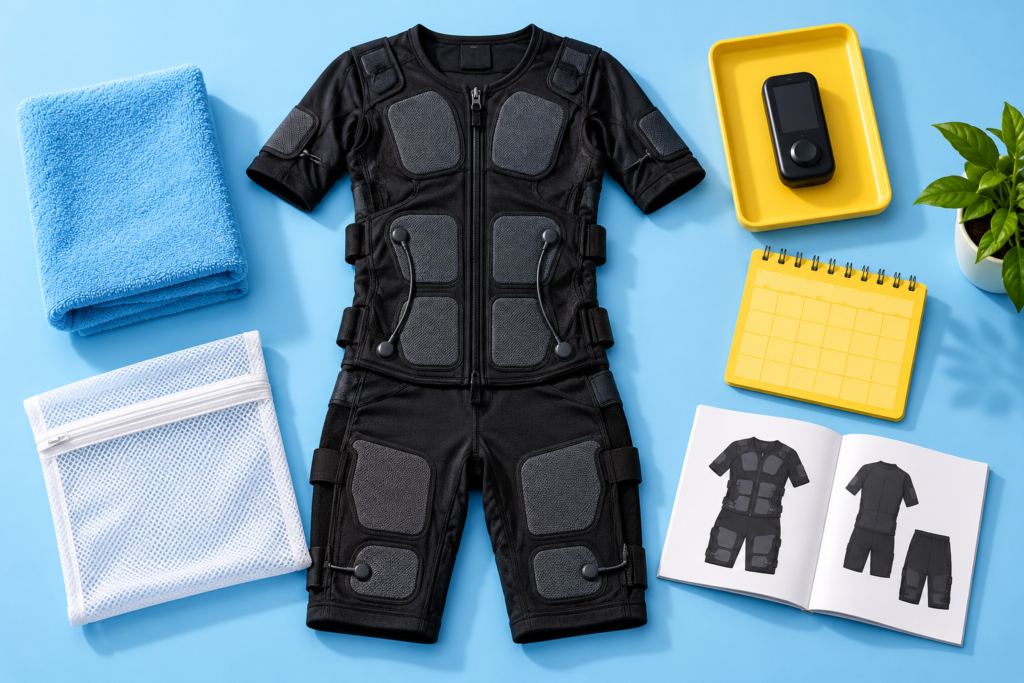
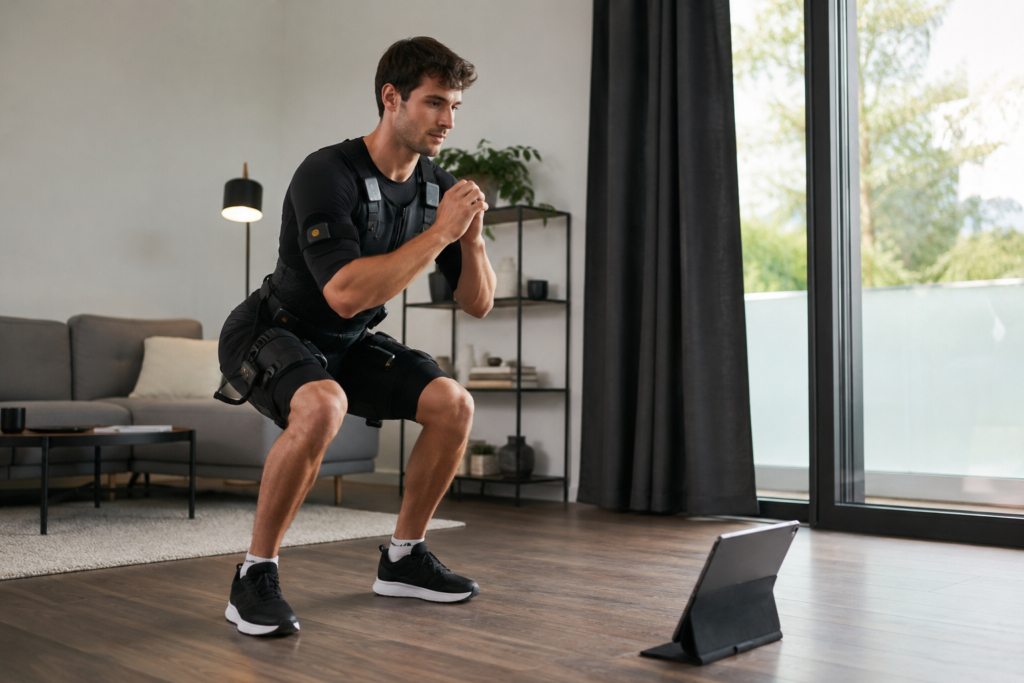
The home EMS training trend represents one of the most significant shifts in how consumers access electrical muscle stimulation technology. The boutique EMS studio model has been the dominant commercial form of EMS fitness — but a growing number of fitness consumers are bringing EMS training home, purchasing consumer-grade wireless EMS suits and training independently or semi-independently, guided by app-delivered programs outside the studio environment. Research into home ems training is growing why consumers are embracing it continues to evolve as more studios adopt evidence-based approaches.
This home EMS training trend is being driven by a confluence of factors: the miniaturization and cost reduction of wireless EMS technology, the COVID-19 period’s normalization of home-based fitness, the growth of digitally delivered fitness content, and the straightforward appeal of not having to leave home for a workout. This article examines what is driving the home EMS training trend, what the home experience can and cannot deliver, and what the growth of the home segment means for the broader EMS fitness industry. Understanding home ems training is growing why consumers are embracing it is key for any trainer looking to modernize their program.
Technology Changes That Made Home EMS Viable
The growth of home EMS training has been enabled primarily by technology developments. Research on whole-body EMS has established clear safety and efficacy standards that now extend to consumer-grade devices. For most of EMS fitness history, the suits and control systems required for effective training were too large, too expensive, and too technically complex for practical home use. Professional EMS systems typically involved wheeled control units, multiple wired connections, and the need for professional calibration — not an experience that translated to a home living room. The evidence supporting home ems training is growing why consumers are embracing it is growing steadily in the professional fitness space.
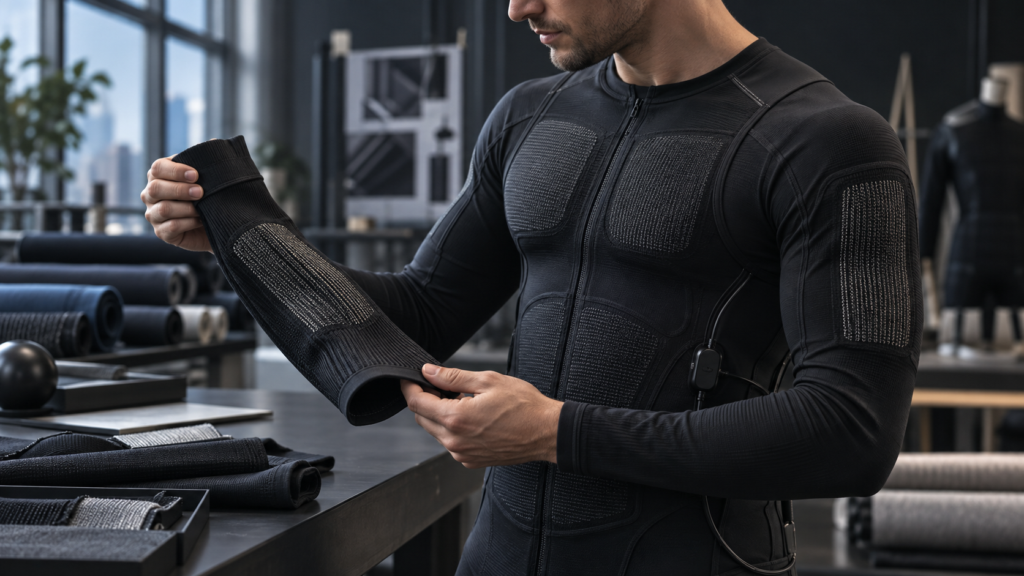
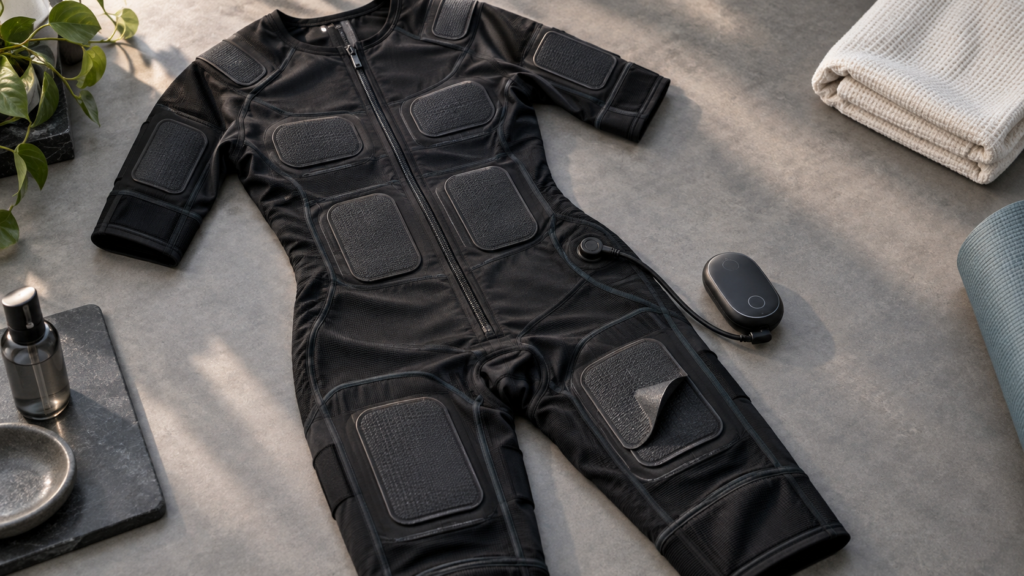
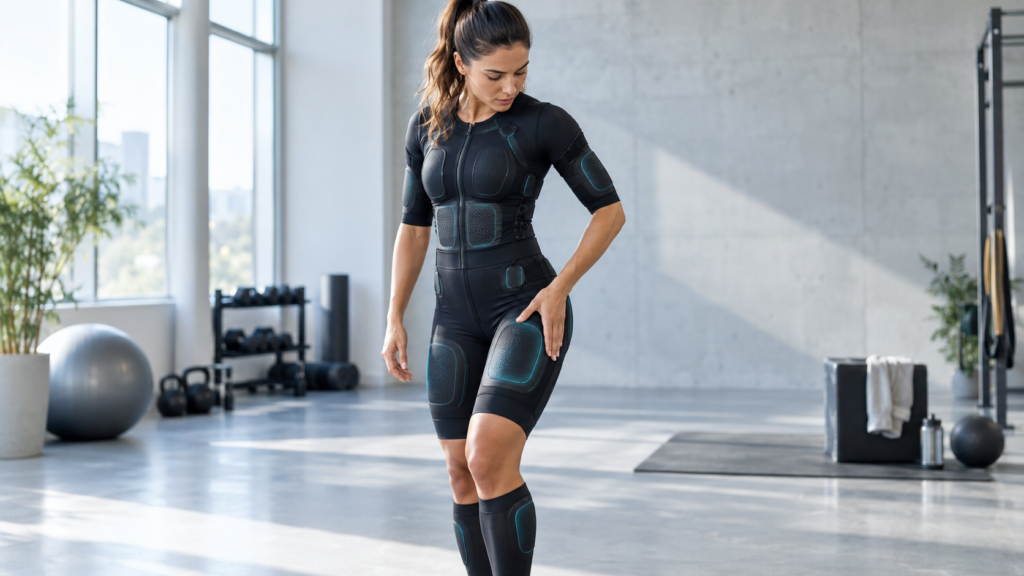
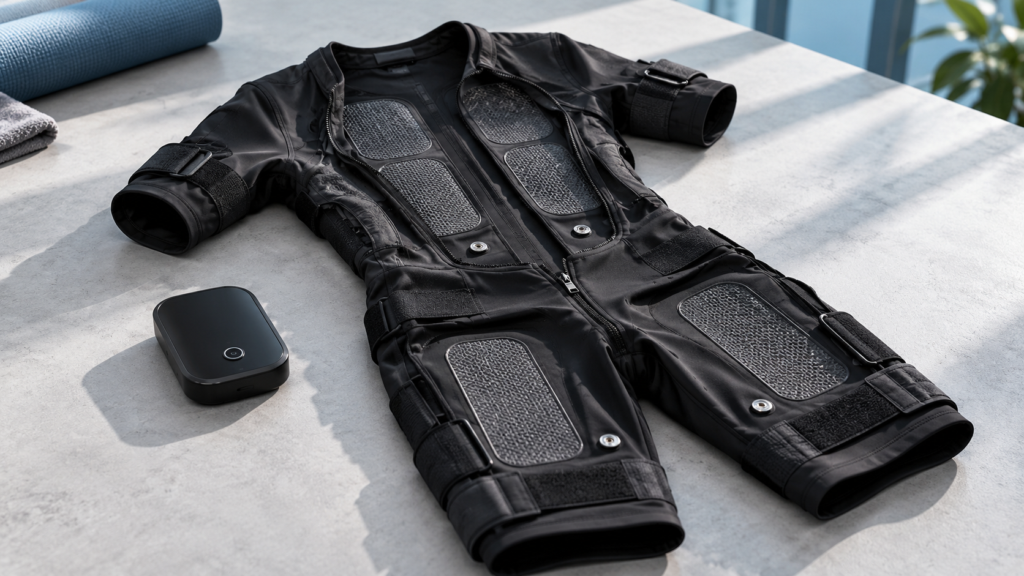
The development of compact wireless EMS systems — where the control electronics are miniaturized and distributed across the suit itself, communicating with a smartphone or tablet app via Bluetooth — fundamentally changed the consumer proposition. A modern wireless EMS suit can be donned in minutes, controlled through a simple app interface, and used in any room with adequate floor space. The technology barrier to entry for home users has been dramatically reduced, making the home EMS training trend a sustainable market development rather than a passing novelty. For coaches exploring home ems training is growing why consumers are embracing it, proper protocol design is essential.

Why Consumers Are Choosing Home EMS Training: Home ems training is growing why consumers are embracing it
The primary driver of the home EMS training trend is convenience. For time-pressed fitness consumers, eliminating the commute and scheduling friction of studio attendance is significant: training at home means no travel time, no studio booking availability constraints, and the ability to train at any hour without external dependency. For already time-pressed fitness consumers, removing these friction points significantly improves the likelihood of consistent training adherence. Clients asking about home ems training is growing why consumers are embracing it deserve clear, evidence-informed guidance.
Cost economics, over time, can also favor home EMS for frequent users. The upfront cost of a quality consumer EMS suit is equivalent to several months of studio sessions, but for users who train twice per week consistently, the cost per session of home EMS decreases significantly over the device’s lifespan compared to ongoing studio membership costs. The practical application of home ems training is growing why consumers are embracing it varies depending on goals and client profile.
Privacy is another factor driving the home EMS training trend. Some fitness consumers prefer to train alone and in private, away from the social dynamics of studio environments. Home EMS accommodates this preference without sacrificing the structured training experience that app-delivered EMS programs provide. Studios investing in home ems training is growing why consumers are embracing it report strong client retention and satisfaction.
What Studio EMS Still Does Better
Despite the genuine appeal of home EMS, the studio experience retains meaningful advantages that the home environment cannot fully replicate. Professional supervision is the most significant: a certified EMS trainer can observe how a user is responding to the stimulation in real time, adjust parameters precisely, correct movement quality, and make immediate decisions about safety that a home user managing their own session cannot. Anyone serious about home ems training is growing why consumers are embracing it should prioritize certified equipment and trained staff.
The quality of calibration in a professionally supervised session — where each electrode channel is precisely set for the individual client’s body and response — typically exceeds what most home users achieve independently, particularly in early sessions before they are experienced enough to self-calibrate accurately. The business case for home ems training is growing why consumers are embracing it is supported by both research and real-world results.
The studio experience also offers social and motivational dimensions that home training does not — the accountability of a scheduled appointment, the encouragement of a trainer, and the community aspect of a studio environment. For many consumers, these behavioral and psychological aspects of the studio experience are as important to consistent training adherence as the physical quality of the session itself. Getting the most from home ems training is growing why consumers are embracing it requires consistent protocol and progress tracking.
Safety Considerations for Home EMS Users
The growth of home EMS use raises legitimate safety considerations that all prospective home users should take seriously. Consumer EMS devices are regulated differently than professional clinical devices, and without a trainer present to monitor the session, the responsibility for intensity management, contraindication screening, and response monitoring rests entirely with the user. This is a meaningful responsibility shift from the studio context. Safety remains a top priority in any home ems training is growing why consumers are embracing it program.
Home EMS users should thoroughly read and understand the safety documentation for their device, complete any recommended user education before beginning, start at genuinely low intensity levels and progress slowly, ensure they understand the contraindications fully, never train alone for initial sessions, and have a plan for stopping the session and seeking assistance if any concerning symptoms occur. Professionals offering home ems training is growing why consumers are embracing it benefit from ongoing education and certification.
The industry and regulatory environment for consumer EMS devices is evolving, and quality and safety standards vary significantly across home EMS products. Purchasing from reputable manufacturers with clear safety documentation, certification markings relevant to their market, and accessible customer support is an important consumer protection measure for anyone considering the home EMS training trend.
Conclusion
The home EMS training trend reflects a genuine and sustainable shift in how consumers engage with EMS technology. Technology improvements have made home EMS viable, consumer demand for convenient and flexible fitness options has driven adoption, and the market for quality consumer EMS products has responded accordingly.
The home EMS training trend does not replace professional studio EMS for users who have access to and can afford regular studio sessions — professional supervision remains genuinely superior for safety and optimization. But for consumers who cannot or prefer not to access studio EMS, quality home EMS training offers a meaningful training option that the technology now supports more effectively than at any previous point.
Interested in home EMS training? Read our product reviews or use our product comparison tool to find the right home EMS suit for your training needs.
Frequently Asked Questions
Is home EMS training as effective as studio EMS?
Home EMS training can deliver genuine training benefits, but the effectiveness depends heavily on the quality of the equipment, the user’s knowledge and discipline, and their consistency. Professional studio EMS typically delivers more precisely calibrated sessions under expert supervision, which can produce more optimized results — particularly for new users who benefit most from guided introduction and real-time adjustment.
What equipment do I need for home EMS training?
You need a consumer-grade wireless EMS suit designed for home use, with integrated control electronics and Bluetooth connectivity to a smartphone app. Look for products with regulatory certification appropriate to your market (CE marking in Europe, FDA clearance in the US), integrated safety features, and manufacturer-provided educational content that supports the home EMS training experience.
Do I need prior EMS experience to train at home?
Prior studio EMS experience is strongly recommended before beginning independent home training. Understanding how EMS stimulation feels at different intensities, having a baseline for what is appropriate for your body, and being familiar with the contraindications and safety guidelines are all valuable before training without a trainer present.
Are home EMS suits safe without professional supervision?
Home EMS suits can be used safely by informed, health-screened adults who understand the device and follow the safety guidelines carefully. The safety profile is meaningfully different from supervised studio use, and the responsibility for safe use rests entirely with the home user. Those with any health conditions should seek medical clearance before using home EMS devices.