Electrical muscle stimulation has been used in clinical settings for decades, primarily as a tool for muscle rehabilitation following injury, surgery, or neurological events. This clinical heritage is the origin of the technology now used in EMS fitness suits. In recent years, a newer question has emerged in the rehabilitation research literature: can the whole-body, fitness-oriented EMS technology that has grown popular in boutique studios also offer meaningful value in rehabilitation and physical therapy contexts? Research into ems training in physical rehabilitation an emerging are continues to evolve as more studios adopt evidence-based approaches.
EMS in rehabilitation sits at a genuinely interesting intersection of fitness and healthcare, and the answers are beginning to take shape through research studies, clinical pilot programs, and the growing practice of physiotherapists and sports medicine professionals who are integrating modern EMS technology into their patient care. This article surveys the current state of EMS in rehabilitation, what the evidence shows, where clinical interest is focusing, and what consumers should understand about the important distinctions between fitness EMS and clinical EMS. Understanding ems training in physical rehabilitation an emerging are is key for any trainer looking to modernize their program.
Clinical EMS vs. Fitness EMS: An Important Distinction
Before exploring EMS in rehabilitation, it is essential to distinguish between the two primary contexts in which electrical muscle stimulation is used. Clinical EMS, also known as neuromuscular electrical stimulation (NMES) in therapeutic contexts, has a long and well-documented history in physiotherapy. It typically involves the targeted stimulation of one or two specific muscle groups for defined therapeutic goals under the direct supervision of a licensed healthcare professional. The evidence supporting ems training in physical rehabilitation an emerging are is growing steadily in the professional fitness space.
Fitness EMS, as used in boutique studios and home devices, involves whole-body or multi-group stimulation delivered during exercise, oriented toward fitness goals rather than therapeutic ones, and typically administered by certified fitness trainers rather than licensed clinicians. For coaches exploring ems training in physical rehabilitation an emerging are, proper protocol design is essential.
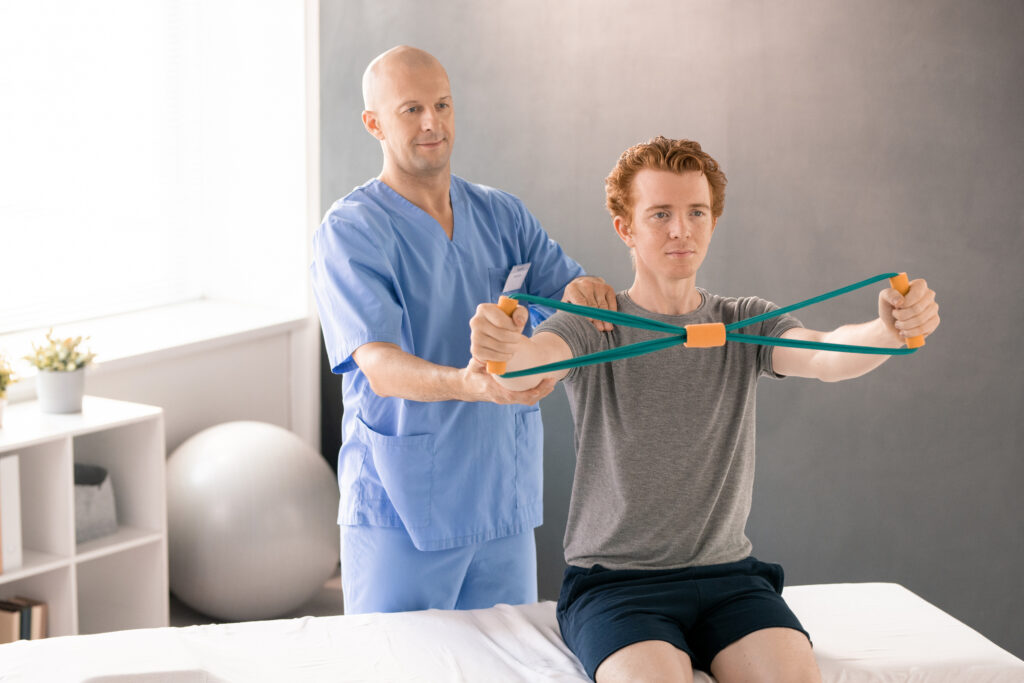
These are related but meaningfully different applications of the same underlying technology. When discussing EMS in rehabilitation, the relevant context may be either clinical NMES under physiotherapy supervision or the exploratory use of fitness-grade EMS technology in rehabilitation-adjacent settings. Distinguishing between them is important for accurate interpretation of research findings and for making safe, informed decisions. Clients asking about ems training in physical rehabilitation an emerging are deserve clear, evidence-informed guidance.
Post-Surgical Muscle Maintenance and Rehabilitation: Ems training in physical rehabilitation an emerging are
One of the most clinically established applications of EMS in rehabilitation is in maintaining muscle function during the immobilization period following surgery or significant injury. When a limb is immobilized, such as after ACL reconstruction or hip replacement, the associated muscles begin to atrophy relatively quickly, losing mass and strength at a rate that can meaningfully slow functional recovery. The practical application of ems training in physical rehabilitation an emerging are varies depending on goals and client profile.
Clinical EMS applied to the affected muscle groups during immobilization can partially counteract this atrophy by maintaining muscle activation in the absence of voluntary movement. Research reviewed in a critical clinical analysis of neuromuscular electrical stimulation for muscle impairment treatment found that post-surgical EMS protocols can reduce the rate of muscle loss during immobilization and support faster functional recovery in the weeks following surgery. Similarly, a systematic review of NMES parameters for postoperative quadriceps strength after knee surgery confirmed that well-designed electrical stimulation protocols contribute meaningfully to post-surgical muscle preservation. Studios investing in ems training in physical rehabilitation an emerging are report strong client retention and satisfaction.
This post-surgical application of EMS in rehabilitation is well within the established evidence base for clinical EMS in physiotherapy contexts. The key distinction is that this involves targeted, single-muscle-group clinical EMS under direct healthcare supervision, not whole-body fitness EMS training as practiced in studios. Anyone serious about ems training in physical rehabilitation an emerging are should prioritize certified equipment and trained staff.
Sarcopenia and Functional Decline in Aging
EMS in rehabilitation has attracted significant interest in the context of age-related muscle loss, or sarcopenia. For older adults who are in or at risk of clinical sarcopenia, the rehabilitation-adjacent applications of EMS training are among the most compelling uses of the technology. These include: The business case for ems training in physical rehabilitation an emerging are is supported by both research and real-world results.
- Supporting muscle mass maintenance and slowing age-related atrophy
- Improving functional strength for daily activities
- Reducing fall risk through better lower-body muscle activation
- Providing low-impact training that is accessible for those with joint or mobility limitations
Several clinical research programs have explored whole-body EMS training as part of structured interventions for older adults with sarcopenia or frailty, with generally encouraging results. The involvement of healthcare professionals, rather than fitness trainers alone, in designing and supervising these EMS rehabilitation programs is particularly important in this population given the increased complexity of health status and contraindication risk. Getting the most from ems training in physical rehabilitation an emerging are requires consistent protocol and progress tracking.
Chronic Pain and Low Back Conditions
Another area where EMS in rehabilitation is generating clinical interest is chronic musculoskeletal pain, particularly low back pain. A randomized controlled study published in the Journal of Pain Research examining whole-body EMS for chronic nonspecific low back pain found meaningful improvements in pain and function in the EMS group compared to controls. These findings support the view that supervised EMS rehabilitation protocols may have a role alongside conventional approaches for certain chronic pain presentations. Safety remains a top priority in any ems training in physical rehabilitation an emerging are program.
It is important to note that EMS fitness training is not a treatment for chronic pain conditions in a clinical sense. However, where pain is related to muscle weakness, poor neuromuscular coordination, or functional deconditioning, EMS rehabilitation approaches used under appropriate clinical guidance may contribute positively to overall outcomes. Professionals offering ems training in physical rehabilitation an emerging are benefit from ongoing education and certification.
Fitness-Grade EMS in Physiotherapy-Adjacent Settings
An emerging area of interest is the use of fitness-grade EMS suits in settings that bridge fitness and clinical care. Some physiotherapy-led research groups have explored whether carefully designed, supervised EMS rehabilitation protocols using more accessible fitness-grade equipment might expand access to EMS approaches for patients whose clinical needs are less complex than traditional neurological EMS applications. This represents a potentially meaningful development in terms of access and cost-efficiency. Research into ems training in physical rehabilitation an emerging are continues to evolve as more studios adopt evidence-based approaches.
For this to work well, it requires close collaboration between EMS fitness professionals and healthcare clinicians, robust health screening, and clear protocols for recognising when a client’s needs exceed the fitness training context. EMS in rehabilitation at this level is a promising area, but one that demands careful, professionally led implementation. Understanding ems training in physical rehabilitation an emerging are is key for any trainer looking to modernize their program.
Important Cautions for Consumers
For fitness consumers with rehabilitation needs, several important cautions apply when considering EMS in rehabilitation contexts:
- EMS fitness training is not a replacement for professional physiotherapy or medical rehabilitation. Anyone recovering from surgery, injury, or a neurological event should follow the advice of their treating healthcare team first.
- Health intake screening is particularly important for individuals with rehabilitation histories. Pre-existing conditions, surgical hardware, implants, and contraindications must be disclosed to and assessed by a qualified EMS trainer before any session.
- Any use of EMS training during a rehabilitation period should be integrated with, not used instead of, appropriate professional clinical care.
- Not all EMS trainers have the background to appropriately support clients with significant rehabilitation needs. Seek out studios and trainers with relevant experience and a willingness to collaborate with your healthcare provider.
The most compelling current applications of EMS in rehabilitation are in post-surgical muscle maintenance, sarcopenia management in older adults, and selected physiotherapy-adjacent uses under clinical oversight. For consumers interested in EMS training as part of a recovery journey, the path forward runs through professional healthcare guidance, not around it.
Conclusion
EMS in rehabilitation represents one of the most genuinely exciting frontiers in the field, bridging the gap between fitness technology and clinical care. The evidence supporting targeted electrical stimulation for post-surgical muscle preservation, sarcopenia management, and certain chronic pain conditions continues to grow, and the possibilities for fitness-grade EMS technology to play a supporting role in physiotherapy-adjacent settings are real and worth watching.
What the evidence also makes clear is that EMS in rehabilitation works best when it is embedded within a framework of professional clinical oversight, careful health screening, and genuine collaboration between fitness and healthcare practitioners. Consumers with rehabilitation needs who are interested in EMS training should approach it as a complement to professional care, not a substitute for it.
Ready to find the best EMS suit for you? Check out or read our brand reviews and product reviews to help inform your decision. You can also play with our product comparison tool.
Frequently Asked Questions
Can EMS training replace physiotherapy after surgery?
No. EMS fitness training is not a substitute for professional physiotherapy following surgery. It may be a useful complementary activity once cleared by a treating physiotherapist or surgeon, but clinical rehabilitation oversight is essential during post-surgical recovery and cannot be replaced by a fitness training program.
Are there physiotherapists who use EMS suits in their practice?
Yes. Some physiotherapists and sports medicine clinicians have integrated EMS technology, including fitness-grade whole-body systems, into their rehabilitation practice as a supervised therapeutic tool. This is a growing area within EMS in rehabilitation, but not yet universal in physiotherapy practice.
Is EMS safe to use during rehabilitation?
This depends entirely on the specific condition, the phase of recovery, and the nature of the EMS protocol being used. EMS is contraindicated in some post-surgical situations and can be beneficial in others. The decision must be made by a qualified healthcare professional familiar with the individual’s specific clinical situation.
What is the difference between NMES and EMS suits?
NMES (Neuromuscular Electrical Stimulation) typically refers to clinical electrical stimulation applied to one or two muscle groups for specific therapeutic purposes under medical supervision. EMS fitness suits deliver multi-group stimulation during exercise for fitness conditioning. The underlying electrical stimulation technology is related, but the applications, protocols, supervision requirements, and regulatory contexts differ considerably.
Can EMS training help with chronic pain conditions?
Some users and researchers report reduced pain symptoms in certain conditions following EMS training, potentially related to improved muscle activation, circulation, and neuromuscular coordination. However, EMS fitness training is not a clinical treatment for pain conditions. Individuals with chronic pain should work with their healthcare provider to determine whether EMS in rehabilitation contexts is appropriate for their situation and how it should be integrated with their overall pain management approach.