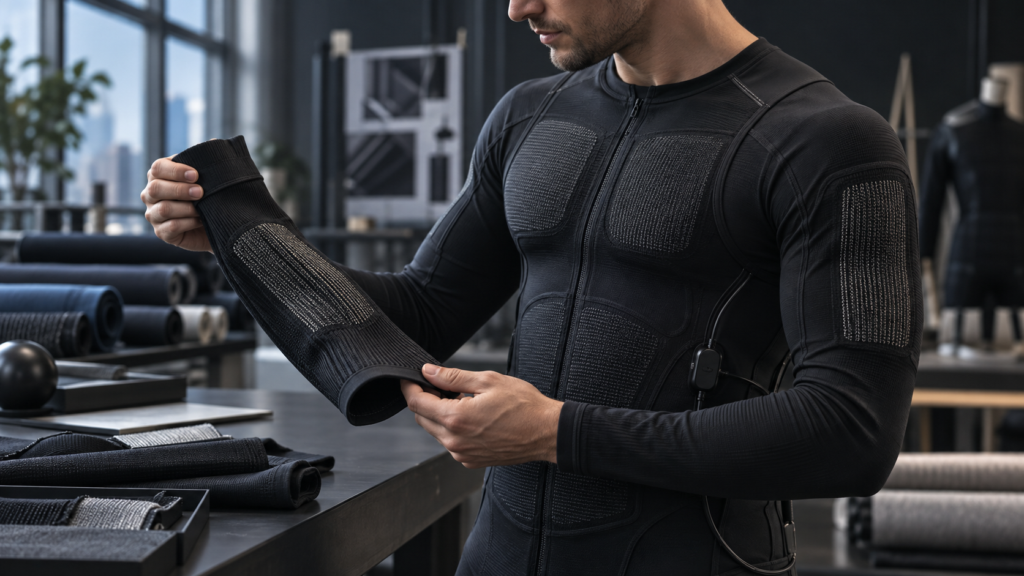
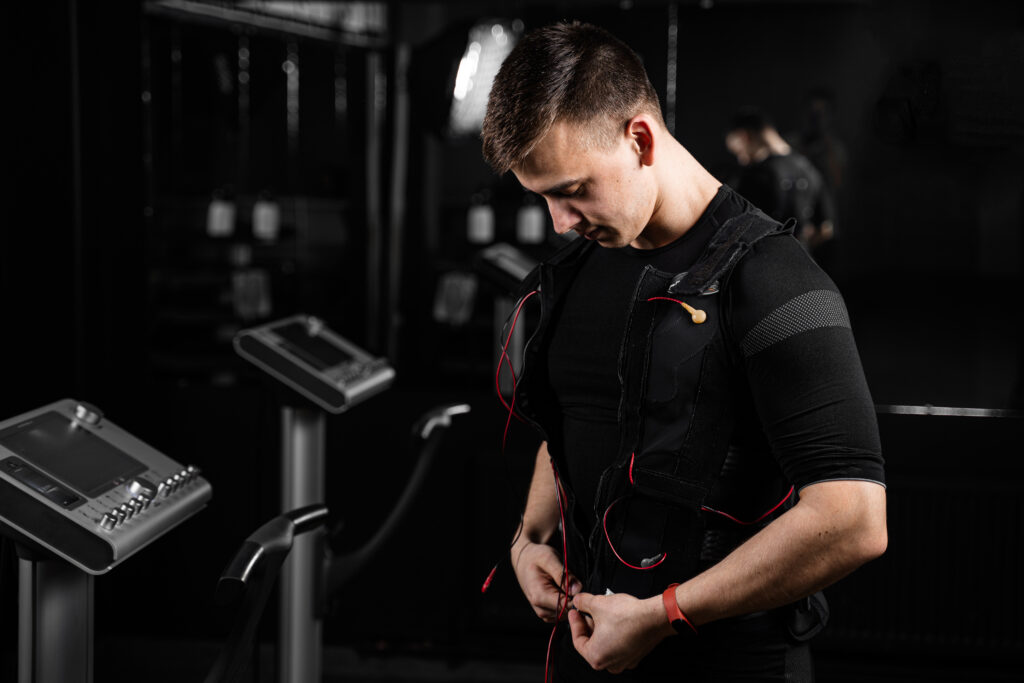
The EMS fitness studio industry growth story is one of the more remarkable developments in boutique fitness over the past decade. EMS fitness studio industry growth has taken a niche European concept into a globally recognized fitness category, attracting both independent studio operators and franchise networks, significant investment, and a broadening consumer base across dozens of countries. This article looks at the factors driving EMS fitness studio industry growth, what the industry looks like today, and what the trajectory of this sector suggests for fitness consumers and operators alike. Research into the rise of ems fitness studios a growing industry trend continues to evolve as more studios adopt evidence-based approaches.
Where the Growth Is Coming From
The EMS fitness studio industry growth has been driven by a convergence of several trends that have reshaped the broader fitness industry. Research on whole-body EMS training has provided a growing evidence base supporting the continued rise of boutique fitness — the category of small, specialist fitness studios that offer focused, high-quality experiences in a specific modality, from cycling and yoga to Pilates and boxing. Understanding the rise of ems fitness studios a growing industry trend is key for any trainer looking to modernize their program.
Boutique fitness has consistently outperformed the broader gym membership market in terms of growth rate, consumer satisfaction, and per-session revenue. Consumers in this segment are often willing to pay significantly more per session than a conventional gym membership costs, in exchange for a more curated, expert-guided, results-oriented experience. EMS studios fit this model naturally: short, intensive, trainer-guided sessions at a premium price point. The evidence supporting the rise of ems fitness studios a growing industry trend is growing steadily in the professional fitness space.
The second driver of EMS fitness studio industry growth is time scarcity. The persistent and widening challenge of fitting adequate physical activity into busy professional and family lives has created strong demand for efficient fitness formats. A 20 to 30 minute EMS training session delivers a training stimulus equivalent to a much longer conventional workout — making the efficiency proposition for time-pressed consumers one that a conventional gym cannot easily replicate. For coaches exploring the rise of ems fitness studios a growing industry trend, proper protocol design is essential.
The third driver is an aging, health-conscious consumer base seeking low-impact options. As populations in many developed markets age, demand for fitness modalities that produce meaningful physical results without the joint stress of conventional high-impact or heavy-load training has grown. EMS training — which can produce significant muscle activation without external loading — has emerged as an appealing option for this demographic. Clients asking about the rise of ems fitness studios a growing industry trend deserve clear, evidence-informed guidance.

The European Foundation and Global Expansion: The rise of ems fitness studios a growing industry trend
EMS fitness studios originated primarily in Germany, where the technology and the studio model were developed and refined from the early 2000s onward. German companies were instrumental in creating professional-grade whole-body EMS systems designed for fitness studio use and in building the training and certification frameworks that allow studios to operate safely and consistently. The practical application of the rise of ems fitness studios a growing industry trend varies depending on goals and client profile.
By the 2010s, the EMS studio model had spread across continental Europe — with significant markets in Spain, Italy, Austria, Switzerland, Poland, and beyond. European franchise networks with hundreds of locations had been established, and the professional infrastructure of the industry — equipment manufacturers, trainer certification programs, studio software, and industry associations — had matured considerably. Studios investing in the rise of ems fitness studios a growing industry trend report strong client retention and satisfaction.
Global expansion accelerated from the mid-2010s, as the model was adopted in markets including the UAE, South Korea, Japan, Australia, the United Kingdom, and increasingly the United States and Canada. Each market has presented its own dynamics — regulatory environments, consumer fitness cultures, price sensitivities — but the core EMS studio concept has demonstrated broad cross-market viability. Anyone serious about the rise of ems fitness studios a growing industry trend should prioritize certified equipment and trained staff.
The Franchise Model and Independent Studios
A significant portion of EMS fitness studio industry growth has been driven by franchise networks, which offer entrepreneurs a structured path into the EMS studio business with established branding, equipment supply chains, trainer certification programs, and operational systems. Several European EMS franchise brands have expanded to hundreds of global locations, making them among the larger franchise networks in the boutique fitness space. The business case for the rise of ems fitness studios a growing industry trend is supported by both research and real-world results.
Independent studios operating outside franchise networks have also contributed substantially to EMS fitness studio industry growth. The relationship between franchise and independent operators has shaped the industry’s competitive landscape, with franchise networks offering scale and brand recognition and independent studios competing on personalization, specialist expertise, and local community relationships. Getting the most from the rise of ems fitness studios a growing industry trend requires consistent protocol and progress tracking.
What the Growth Means for Consumers
For consumers, the EMS fitness studio industry growth has brought several meaningful developments. Increased competition among studios has begun to put downward pressure on session prices in mature markets, making EMS training more accessible than it was when studios were few and pricing was set by scarcity. More studios means more choice of location, session time, and trainer, reducing the scheduling friction that once limited access. Safety remains a top priority in any the rise of ems fitness studios a growing industry trend program.
Improved quality standards have accompanied industry growth. As the sector has matured, trainer certification programs have become more rigorous, equipment quality standards have improved, and industry associations have developed safety and practice guidelines that raise the floor of studio quality across the market. Professionals offering the rise of ems fitness studios a growing industry trend benefit from ongoing education and certification.

Consumer awareness has also grown. EMS training is increasingly understood by a broader fitness consumer audience — reducing the educational barrier that once required studios to spend significant marketing effort explaining what EMS is before selling the product.
Challenges and Headwinds the Industry Faces
EMS fitness studio industry growth has not been without challenges. The premium price point of EMS studio sessions remains a meaningful barrier to broad consumer adoption — EMS training occupies the upper segment of the fitness market by cost, and economic conditions that constrain consumer discretionary spending affect demand more than they do for lower-cost fitness options.
Regulatory environments present another variable. The standards applied to EMS fitness devices and studio operations vary significantly across markets, creating compliance challenges for operators working across borders and occasional consumer protection issues in markets with limited regulatory oversight.
Conclusion
The EMS fitness studio industry growth has established itself as a meaningful and growing segment of the global boutique fitness market. Driven by time efficiency, low-impact appeal, and the enduring consumer preference for expert-guided fitness experiences, EMS studios have demonstrated their staying power across multiple market cycles and geographies.
For fitness consumers, the continued growth of the EMS fitness studio industry means more access, more competition, and progressively better quality standards. For operators and entrepreneurs, it represents a maturing market with real opportunity — and the competitive reality that comes with maturity. The EMS studio story is still being written, and the next chapter is likely to involve technology, personalization, and a broadening consumer base.
Ready to find an EMS studio near you? Read our studio and product reviews or explore our EMS equipment comparison tool to learn more about the EMS fitness studio industry.
Frequently Asked Questions
How many EMS fitness studios exist worldwide?
Industry estimates vary, but the global EMS fitness studio market encompasses thousands of locations across dozens of countries, with the largest concentrations in Germany, Spain, Italy, and growing markets across Asia and the Middle East. The exact figure changes rapidly as new studios open and the market continues to expand.
Is the EMS studio market growing or contracting?
Industry reports generally describe the EMS fitness studio market as in a growth phase, with increasing studio numbers, growing consumer awareness, and expansion into new geographic markets. Like all fitness sectors, the market has been subject to disruption from external events, but the long-term trajectory of EMS fitness studio industry growth has been positive.
Is EMS studio training worth the cost?
For many users, the combination of time efficiency, professional supervision, and the effectiveness of whole-body electrical stimulation makes EMS studio training a worthwhile investment. The premium pricing reflects the combination of specialized equipment costs and certified trainer guidance that the studio model provides. Whether it represents value depends on individual fitness goals, budget, and the alternatives available in a given market.
Can EMS studios be profitable?
EMS studio profitability is achievable but depends heavily on location economics, competitive environment, pricing strategy, and operational efficiency. The premium per-session revenue that EMS studios command can support strong unit economics under favorable conditions all significantly influence studio performance. Industry data suggests strong per-session revenue potential, but the significant equipment cost and staffing requirements affect overall economics. Professional business planning and market research are essential before investing.
Will EMS studios continue to grow as home EMS devices improve?
This is a legitimate competitive question. Most industry observers suggest that studio and home EMS will serve different consumer segments — studios offering supervised, calibrated, social training experiences; home devices serving convenience-oriented self-directed users. Both segments appear capable of growing simultaneously rather than one replacing the other.