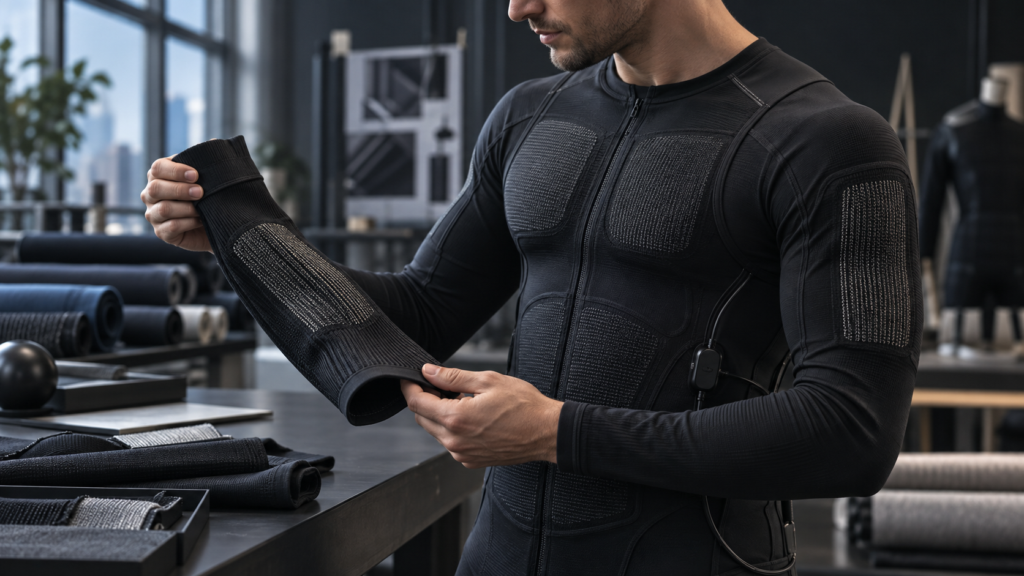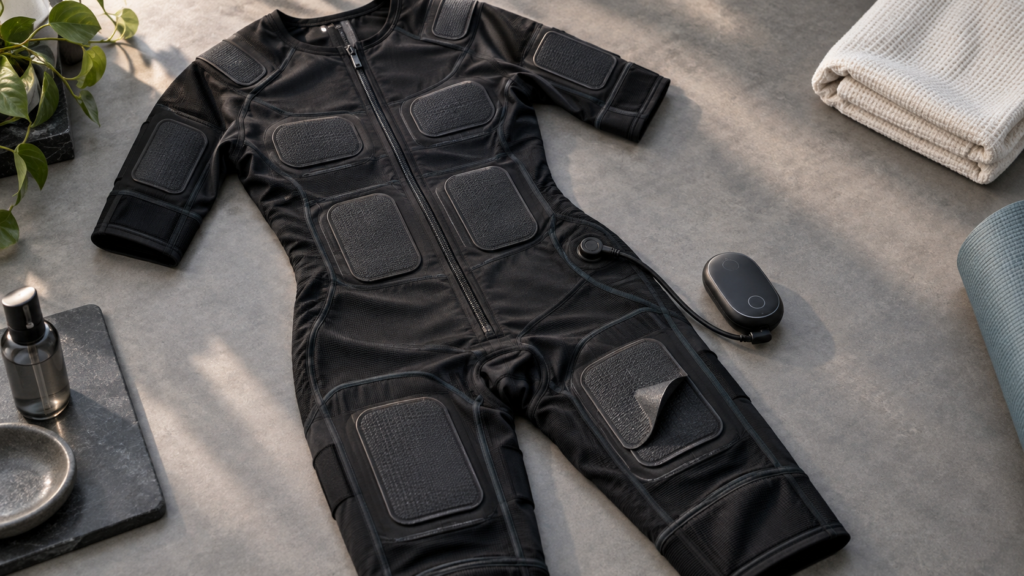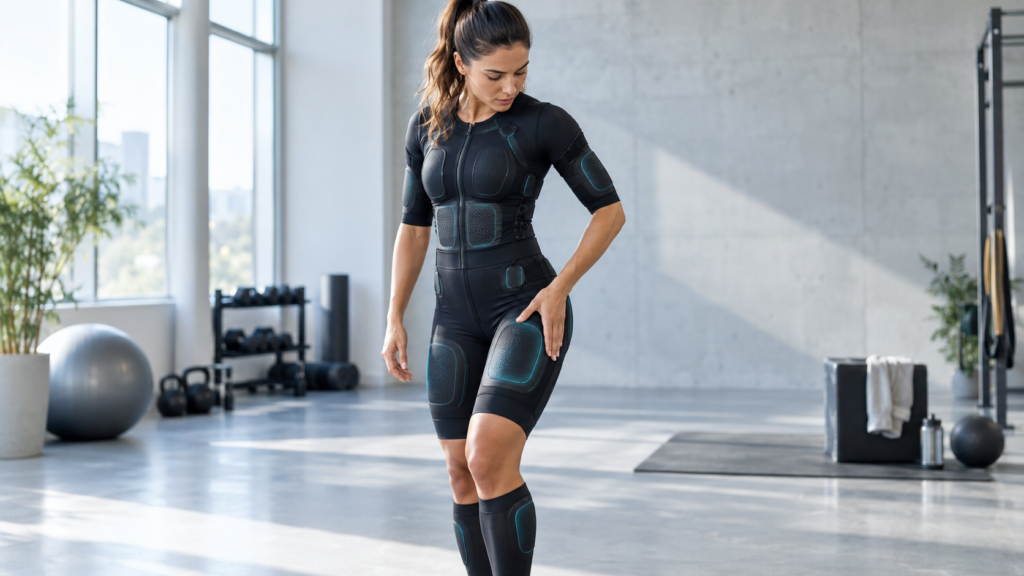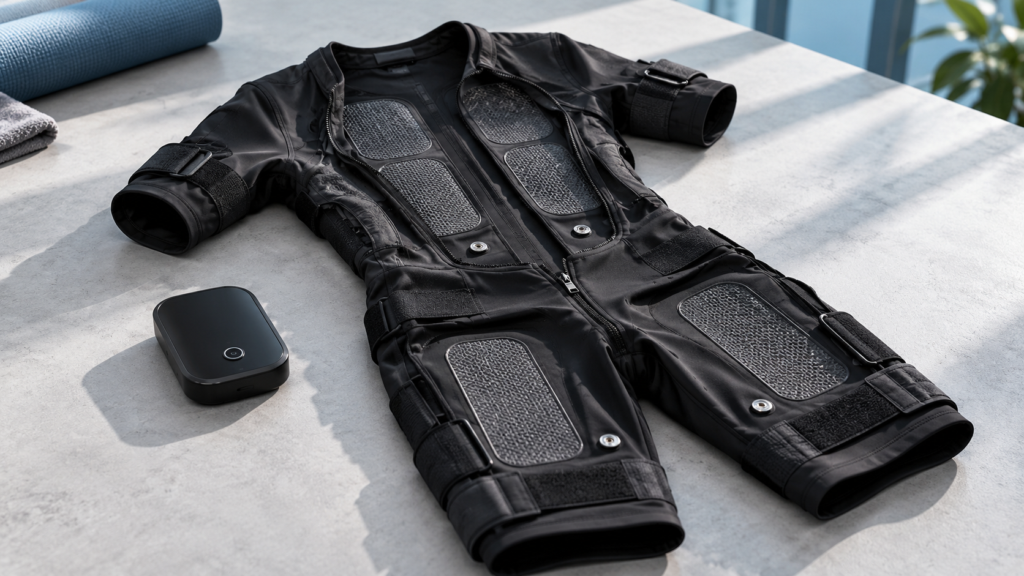
Adopting EMS suits wellness routine is one of the most effective things you can do to get real, lasting results from EMS training. But EMS training does not exist in isolation. Like any exercise tool, its effectiveness is determined not just by what happens during the 20 to 30 minutes you are wearing the suit, but by the broader lifestyle context in which those sessions occur. Sleep, nutrition, stress management, movement outside of structured sessions, and recovery practices all influence what an EMS suits wellness routine can actually deliver.
This article is about practical integration. Whether you are building an EMS suits wellness routine for the first time or looking to add EMS to an existing approach, these principles will help you get the most from the investment.
The Right Way to Think About an EMS Suits Wellness Routine
The most productive framing for an EMS suits wellness routine is to treat EMS as one tool in a broader toolkit, not a complete wellness solution on its own. This framing matters because it shapes how you schedule sessions, how you measure progress, and how you respond when results feel slower than expected.
A comprehensive EMS suits wellness routine typically works alongside:
- Adequate, quality sleep of seven to nine hours for most adults
- Regular physical activity of various types, not just EMS, but walking, swimming, recreational sport, yoga, or conventional exercise
- Nutrition that broadly supports health and energy
- Stress management practices and social connection
- Medical care when appropriate
EMS suits contribute to the physical activity component of this picture, specifically to structured muscle conditioning and activation. As Kemmler et al. (2023) in Frontiers in Physiology outline, whole-body EMS training produces genuine physiological stimulus for muscle adaptation, but that adaptation requires a supportive lifestyle context to fully realize. An EMS suits wellness routine works best when EMS complements these other pillars. When it is used in place of them, it consistently underdelivers.

Scheduling EMS Within a Varied Movement Week
A useful practical step for building a functioning EMS suits wellness routine is to map your full week of movement and recovery on a simple calendar and find natural placements for EMS sessions within it.
Key scheduling principles for any EMS suits wellness routine:
- EMS sessions need 48 to 72 hours of recovery on either side
- They should not compete directly with other heavy training sessions on the same or adjacent days
- They should feel like a genuine contribution to the week’s activity rather than an overload add-on
A sample week for a moderately active person building an EMS suits wellness routine might look like this:
- Monday: EMS session
- Tuesday: light walking or yoga
- Wednesday: conventional gym session, upper body focus
- Thursday: EMS session
- Friday: rest or light movement
- Saturday: longer walk, recreational sport, or lower-intensity gym
- Sunday: rest
Intentional placement consistently produces better results than ad hoc scheduling, regardless of what your specific EMS suits wellness routine looks like.
Sleep: The Foundation of Every EMS Suits Wellness Routine
Sleep is the single most powerful recovery tool available to anyone training regularly, and an EMS suits wellness routine is no exception. During deep sleep, the body releases growth hormone, a key driver of muscle protein synthesis and cellular repair. The microscopic muscle damage produced by an EMS session is primarily repaired during sleep, and inadequate sleep means incomplete repair.
Nussbaum et al. in Physiother Can note that neuromuscular recovery following electrical stimulation depends heavily on the body’s systemic recovery capacity, of which sleep is a primary driver. For anyone building an EMS suits wellness routine, prioritizing sleep quality and duration in the 24 to 48 hours following a session is a direct investment in the results of that session. Conditions that support good sleep include:
- Consistent sleep and wake times
- A cool, dark sleeping environment
- Limiting screen exposure in the hour before bed
- Managing evening stress effectively
If work or lifestyle pressures are chronically reducing sleep below six hours per night, this is likely the highest-impact variable to address for anyone seeking better fitness results, more impactful than any training method choice.
Stress Management and Your EMS Suits Wellness Routine
Psychological stress and physical training share the same recovery resource pool. When life stress is high, the body’s capacity to adapt to and recover from physical training is reduced. A week of unusually high work pressure, relationship stress, or emotional difficulty typically produces slower recovery from EMS sessions and may increase the risk of feeling overtrained.
Being aware of this relationship allows for intelligent adjustments within your EMS suits wellness routine: reducing EMS session intensity during high-stress periods, building in an additional recovery day, or choosing a lower-intensity movement activity instead of an EMS session when accumulated stress is running high.
Conversely, many people find that the structured, manageable nature of a 20 to 30 minute EMS session provides a useful mental reset during stressful periods, a brief and bounded physical challenge that is separate from the pressures of the rest of the day. This psychological benefit is a legitimate reason to maintain session consistency in your EMS suits wellness routine even during difficult weeks, as long as intensity is appropriately managed.
Tracking Progress in an EMS Suits Wellness Routine
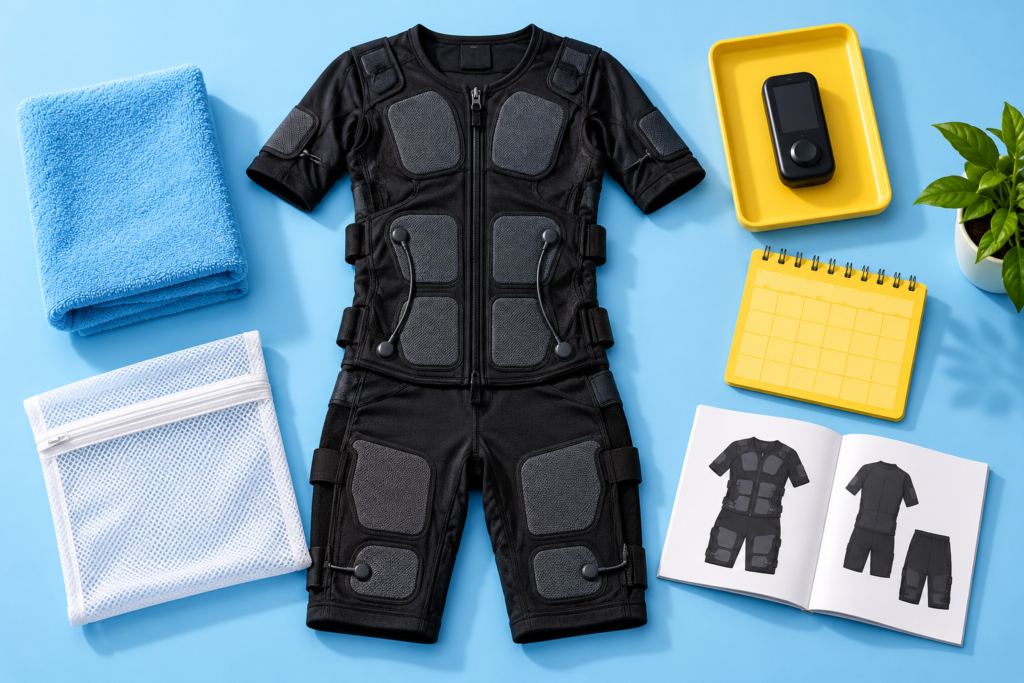
For people who like to track their training, EMS sessions can be logged alongside other wellness metrics. Simple records including session date, duration, overall intensity rating, energy levels before and after, and any notable physical responses provide useful data over time for both you and your trainer.
Progress measures in an EMS suits wellness routine might include:
- How session intensity compares at the same stimulation settings over time, which is a sign of adaptation
- Improvements in functional fitness benchmarks such as walking speed or ease of daily activities
- Body composition changes measured periodically
- Subjective wellbeing metrics like energy levels, sleep quality, and mood
Progress in an EMS suits wellness routine is often gradual and sometimes nonlinear. Weeks with good sleep, consistent nutrition, and regular training tend to show more noticeable results. Tracking across multiple dimensions gives a more complete and motivating picture of how the routine is working.

Conclusion
An EMS suits wellness routine works best when EMS is scheduled thoughtfully, supported by adequate sleep and nutrition, and integrated alongside other forms of physical activity and stress management. On its own, EMS is a limited tool. Embedded in a holistic approach to health, an EMS suits wellness routine becomes a genuinely valuable one.
The goal is a sustainable routine you can maintain consistently over months and years, because long-term consistency across all the wellness practices that support your health produces outcomes that no individual intervention can achieve on its own.
Ready to find the best EMS suit for you? Check out our brand reviews and product reviews to help inform your decision. You can also play with our product comparison tool to find the option that fits your goals and budget.
Frequently Asked Questions
How many other workouts can I do in the same week as EMS training?
Most people building an EMS suits wellness routine and doing two EMS sessions per week can also do two to three other moderate-intensity workouts such as yoga, cycling, swimming, or lighter resistance training in the same week, provided adequate recovery is maintained between sessions.
Can I use EMS training as my only form of exercise?
EMS training can be a primary exercise method for individuals with limited time or mobility options, but for most people an EMS suits wellness routine works best as one of several physical activity modalities. Cardiovascular health, movement variety, and the mental and social benefits of diverse physical activity are not fully captured by EMS alone.
Does EMS training count toward my recommended weekly physical activity?
EMS sessions can contribute to your weekly activity goals, but they should not be viewed as fully equivalent to the varied physical activity recommended for general health. EMS contributes to the structured exercise component of a broader wellness routine.
Is there a best time of day for EMS training?
There is no universally best time. The best time is the one you can be consistent with. Morning, lunchtime, and early evening sessions are all used successfully by people with established EMS suits wellness routines. Avoid training within two to three hours of bedtime if you find intense exercise disrupts your sleep.
Can mindfulness or meditation complement an EMS suits wellness routine?
Mindfulness practices can be a useful complement to EMS training, particularly for managing the mental aspect of a novel and intense physical stimulus. General mindfulness practice also supports stress management and sleep, both of which are directly relevant to EMS training recovery.