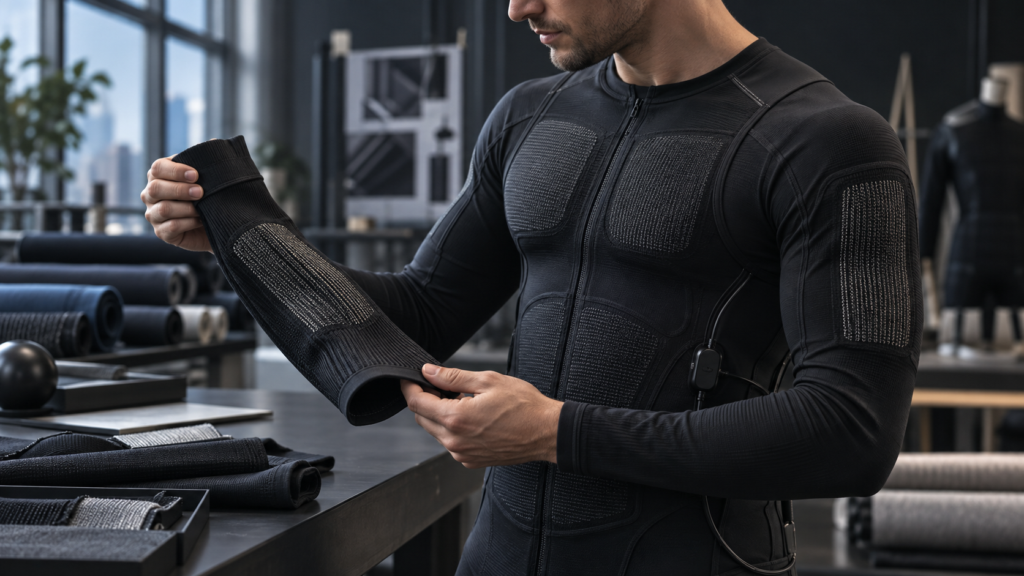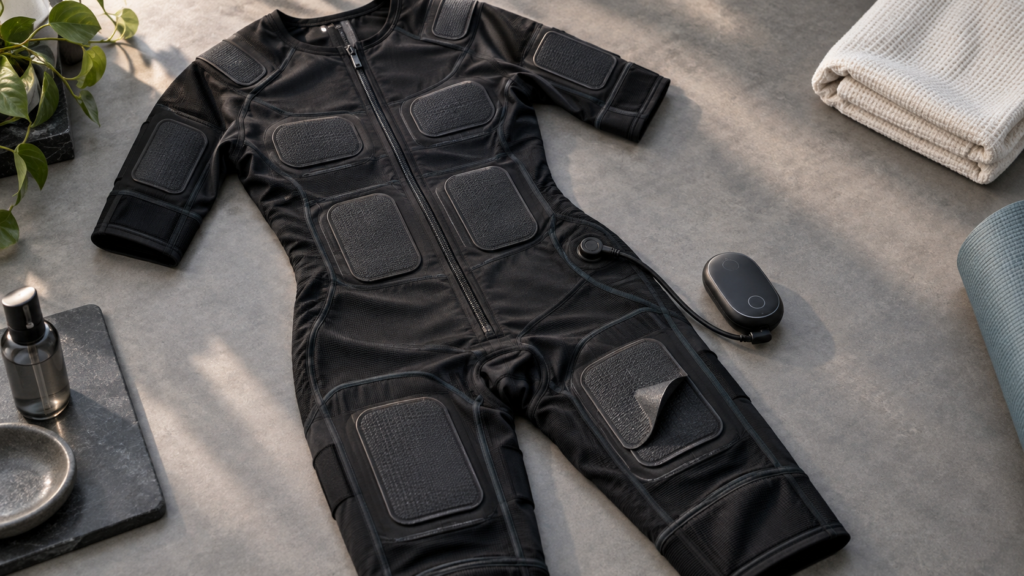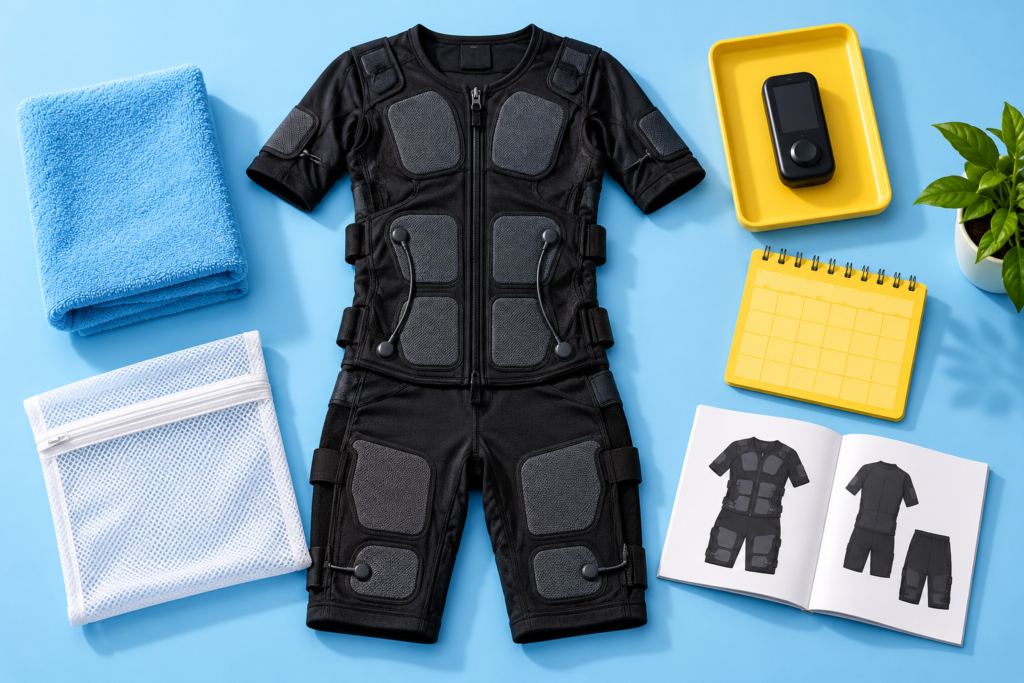

Training is only half of the fitness equation. The other half is nutrition, and it is the half that most people underestimate when starting a new exercise program. When it comes to nutrition and EMS training specifically, what you eat directly shapes how well your muscles recover, how much energy you bring to each session, and how much progress you actually see over time.
EMS training produces a significant physiological stimulus. Muscle fibers are activated extensively, microscopic damage to fiber proteins occurs as part of the adaptation process, and the body’s metabolic systems kick in to manage that stimulus and rebuild stronger. All of that biological work requires raw materials, and those raw materials come from your food.
This is not a prescriptive diet plan. It is a practical overview of how your EMS training diet affects your results, covering protein, carbohydrates, fats, timing, and the most common nutritional mistakes that hold EMS users back.
Nutrition and EMS Training: Why Nutrition Matters So Much for EMS Training Results
Most people starting EMS training focus entirely on the sessions themselves. That makes sense, but the recovery and adaptation that happen between sessions are where the real progress is made, and nutrition drives that process.
When you finish an EMS session, your muscles begin repairing and rebuilding. That process requires amino acids from protein, energy from carbohydrates, and a range of micronutrients to support the underlying chemistry. Without adequate nutritional support, the training stimulus from your EMS sessions cannot fully convert into the strength, muscle tone, or body composition changes you are working toward.
Dirks et al. (2018) in the Journal of Applied Physiology specifically examined the relationship between neuromuscular electrical stimulation and dietary protein, finding that protein intake is a meaningful variable in how well the body responds to electrical muscle stimulation. Getting your nutrition and EMS training aligned is not optional if you want real results..
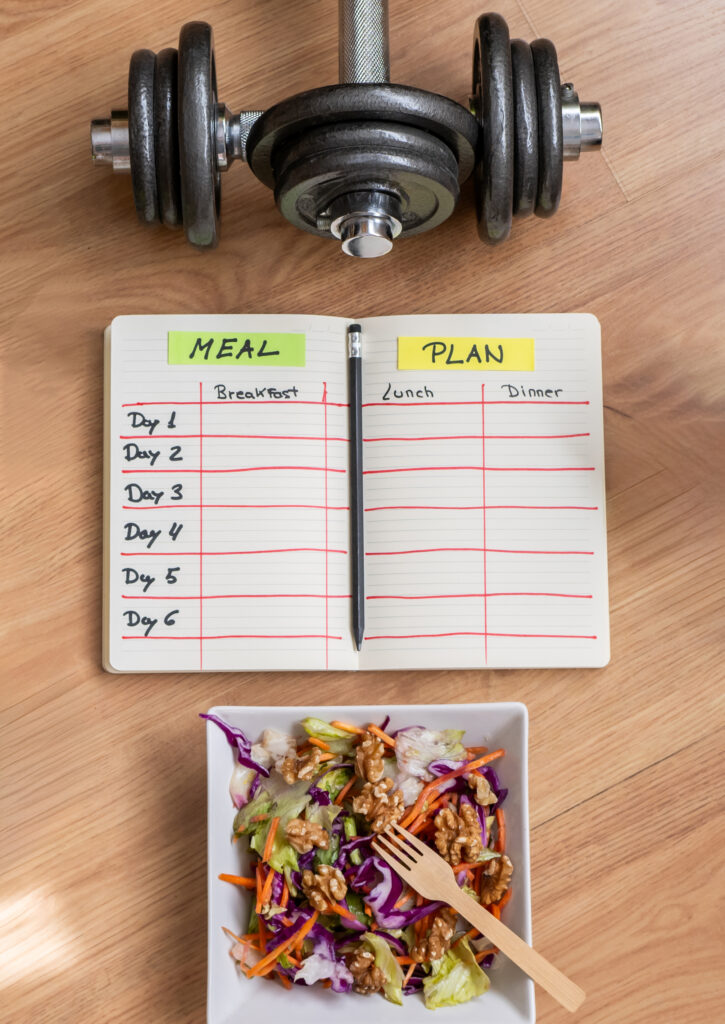
Protein: The Most Important Variable in Your EMS Training Diet
Protein is the nutritional foundation for anyone doing resistance-based exercise, and EMS training qualifies. After a session, the stimulated muscle fibers begin a recovery process called muscle protein synthesis, where new protein structures are built inside the muscle cell to make it stronger and more resilient.
That process depends on a steady supply of amino acids from dietary protein. If protein intake is too low, the body cannot complete the repair process effectively, and the adaptation from the training stimulus is reduced. Consistently under-eating protein means your EMS training results will be meaningfully smaller than they could be.
Jäger et al. (2017) in the Journal of the International Society of Sports Nutrition recommend 1.6 to 2.2 grams of protein per kilogram of body weight per day for adults engaged in regular resistance exercise. For a 70 kg adult, that works out to roughly 112 to 154 grams of protein daily, which is higher than the standard dietary reference intake for sedentary individuals.
Good sources of protein to build your EMS training diet around include:
- Chicken, turkey, and lean beef
- Fish and seafood
- Eggs and egg whites
- Greek yogurt and cottage cheese
- Legumes, tofu, and tempeh
- Dairy products
The specific source matters less than hitting your total daily intake. Including a variety of protein sources across meals helps ensure a complete amino acid profile.
Carbohydrates: Fuel for Your EMS Session
Carbohydrates are the body’s preferred fuel source for moderate to high intensity exercise. They are stored in the muscles and liver as glycogen, and during an EMS session, that glycogen powers the muscular contractions, both the voluntary ones and the EMS-induced ones. After the session, restoring glycogen stores is an important part of recovery.
Severely restricting carbohydrates while training regularly can reduce energy availability, impair recovery, and actually reduce the amount of muscle maintained over time. This does not mean loading up on carbohydrates at every meal, but having adequate intake across the day and around your sessions supports better outcomes.
Quality carbohydrate sources for fueling your EMS session include:
- Whole grains (oats, brown rice, whole wheat bread)
- Fruits and vegetables
- Legumes and lentils
- Potatoes and sweet potatoes
These provide glycogen-restoring energy along with the micronutrients and fiber that support overall health. Choosing these over heavily processed refined carbohydrates most of the time is a straightforward upgrade for anyone serious about their EMS training diet.
Meal Timing: What to Eat Around Your EMS Workout
When you eat in relation to your EMS session matters for both performance and recovery. A few practical guidelines apply.
Before your session:
- Avoid large meals within two hours of training. A full stomach during an EMS session can cause discomfort.
- A moderate meal two to three hours before is ideal.
- A small, easily digested snack one hour before (such as a banana with a small amount of protein) is well tolerated by most people.
After your session:
- Eating a meal or snack containing both protein and carbohydrates within one to two hours of finishing helps initiate recovery.
- This post-workout window is when the body is particularly responsive to amino acids for muscle protein synthesis and to carbohydrates for glycogen replenishment.
- A practical example: a palm-sized portion of lean protein, a serving of carbohydrate like rice, potato, or fruit, and a portion of vegetables covers the recovery bases without requiring elaborate planning.
Knowing what to eat for your EMS workout does not need to be complicated. Consistent, balanced meals built around the foods above will serve most people well.
Micronutrients and Anti-Inflammatory Foods
While protein and carbohydrates get most of the attention in the context of what to eat for an EMS workout, micronutrients play essential supporting roles in muscle function, energy metabolism, and recovery.
Key micronutrients to pay attention to include:
- Vitamin D and calcium, which support muscle function and bone health
- Magnesium, which is involved in muscle contraction and sleep quality
- Iron, which supports oxygen transport during exercise
Anti-inflammatory dietary patterns may also support recovery by reducing the cumulative inflammatory burden of repeated training sessions. This does not require a rigid approach, but regularly including the following in your EMS training diet helps:
- Oily fish (salmon, sardines, mackerel)
- Nuts and seeds
- Olive oil
- Plenty of vegetables and fruit
- Whole grains
For most people eating a reasonably varied whole food diet, micronutrient deficiencies are not a primary concern. Those with restricted dietary patterns, including vegans, people with food intolerances, or anyone significantly restricting food intake, may benefit from discussing micronutrient status with a healthcare provider.
Nutrition and EMS Training: Common Nutritional Mistakes That Undermine EMS Training Results
Even people who train consistently can undercut their progress through avoidable nutrition patterns. The most common mistakes in the context of nutrition and EMS training include:
- Under-eating protein relative to training demands
- Severely restricting carbohydrates without accounting for the energy needs of regular sessions
- Skipping post-workout nutrition entirely
- Training after alcohol consumption, which impairs muscle protein synthesis and recovery
- Chronic under-eating overall, which impairs adaptation regardless of training quality
A moderate calorie deficit is compatible with EMS training if weight loss is a goal, but a deficit that is too severe will impair recovery, reduce muscle-maintaining adaptations, and leave you feeling depleted during sessions. Adequate protein intake becomes especially important when training in a calorie deficit.

Final Thoughts on Nutrition and EMS Training
Nutrition and EMS training work together, and one without the other limits your results. EMS sessions create a genuine physiological stimulus for muscle adaptation, but that adaptation requires nutritional raw materials to complete. Getting enough protein, maintaining adequate carbohydrate intake, eating well around your sessions, and staying hydrated are the foundations that allow EMS training to deliver on its potential.
The goal is not a perfect diet. It is consistent nutritional support for the training work you are putting in. Simple, sustainable improvements to your eating patterns will compound over the weeks and months of a well-structured EMS program into results that are genuinely meaningful.
Ready to find the best EMS suit for you? Check out our brand reviews and product reviews to help inform your decision. You can also use our product comparison tool to find the option that best fits your goals and budget.
Frequently Asked Questions
Do I need protein supplements for EMS training?
Protein supplements like shakes or bars can be convenient, but they are not necessary. Whole food protein sources are entirely sufficient for supporting nutrition and EMS training outcomes. Supplements are primarily useful for people who struggle to meet their protein targets through food alone due to schedule, appetite, or dietary restrictions.
Should I be in a calorie deficit while doing EMS training?
A moderate deficit can be compatible with EMS training if weight loss is a goal. A deficit that is too severe will impair recovery and undercut the muscle-maintaining benefits of your sessions. A modest deficit combined with adequate protein and a consistent EMS program is the more sustainable approach.
Is it important to eat immediately after an EMS session?
Eating within one to two hours after a session is beneficial. Eating the moment you finish is not strictly necessary for most people. Waiting until you genuinely feel hungry is fine, as long as post-workout nutrition happens within that general window rather than being skipped altogether.
Can good nutrition make up for poor EMS training consistency?
No. Good nutrition supports the adaptations that training creates, but it cannot replace the training stimulus itself. Consistent sessions are the primary driver of progress; nutrition determines how fully those adaptations are realized.
Are there foods that might interfere with EMS training results?
No specific foods are contraindicated with EMS training. However, training on a very full stomach, consuming alcohol close to sessions, and chronic under-eating are patterns likely to reduce your results from nutrition and EMS training over time.