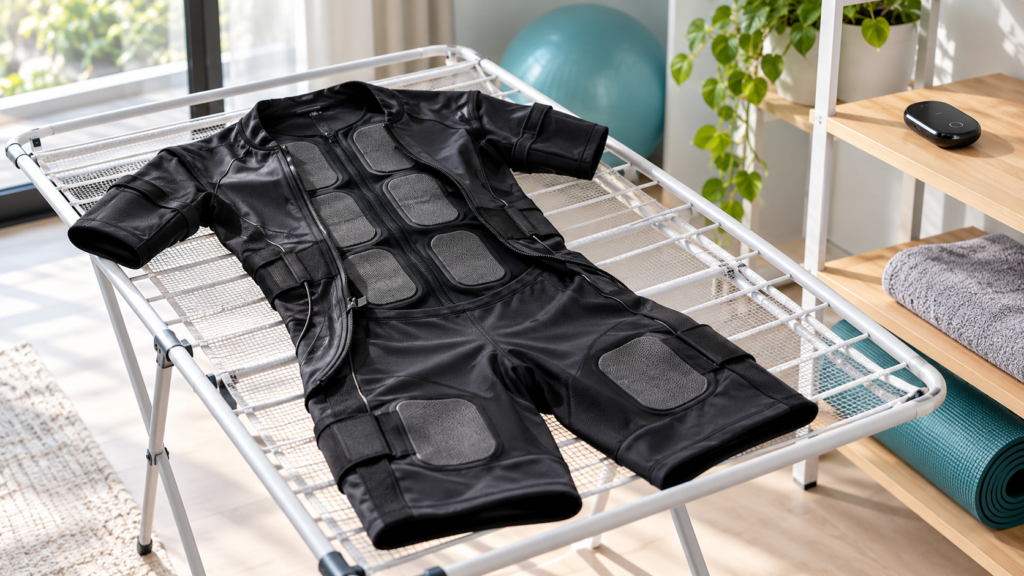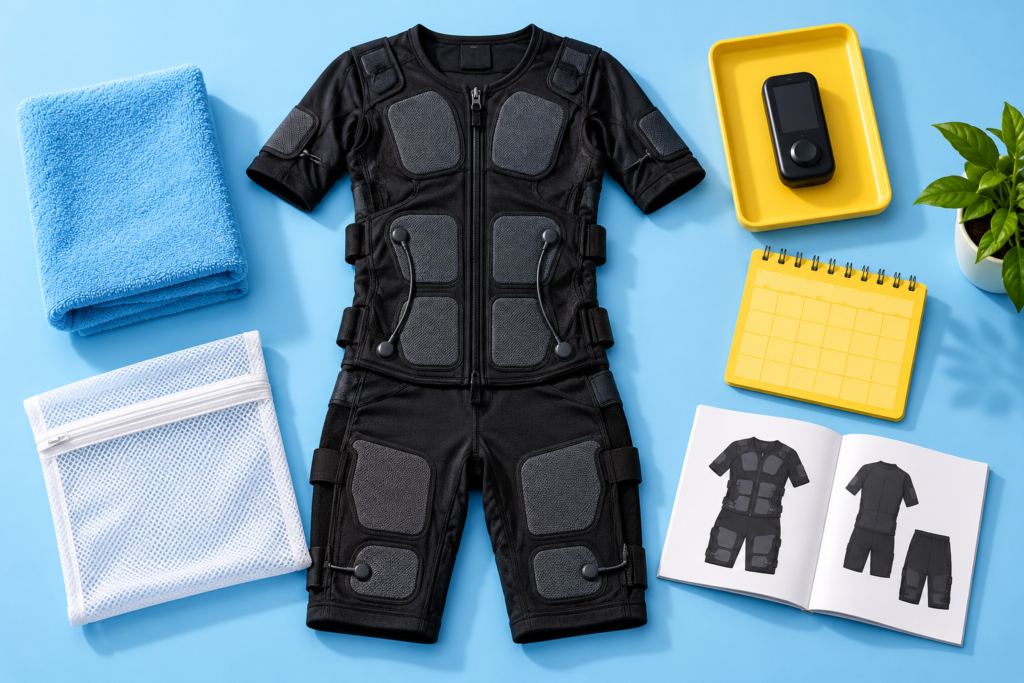
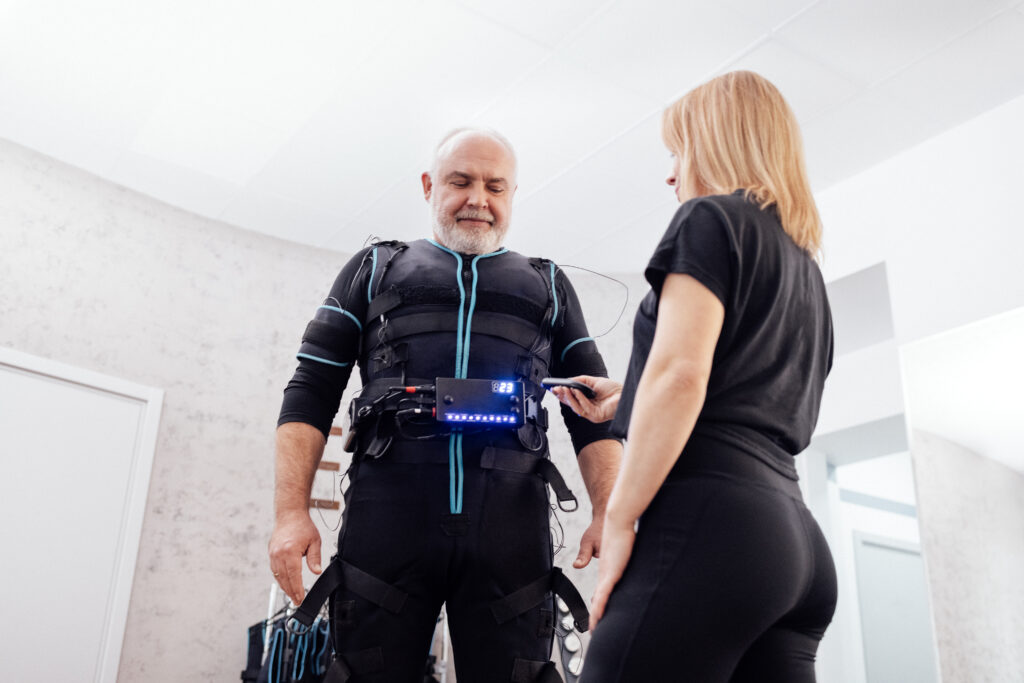
EMS training for seniors is one of the most promising fitness developments in healthy aging research. Whole-body electrical muscle stimulation offers a low-impact, time-efficient way for older adults to build strength, preserve muscle mass, and support functional independence without the joint strain of traditional resistance training.
Here is what older adults and their healthcare providers should understand before getting started.
What Is EMS Training and Why Are Seniors Turning to It?
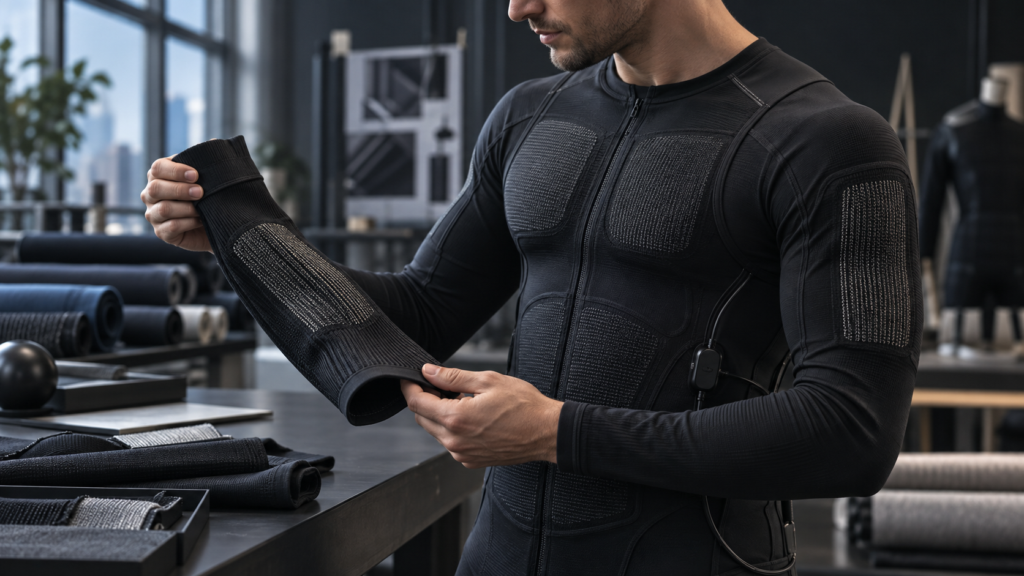
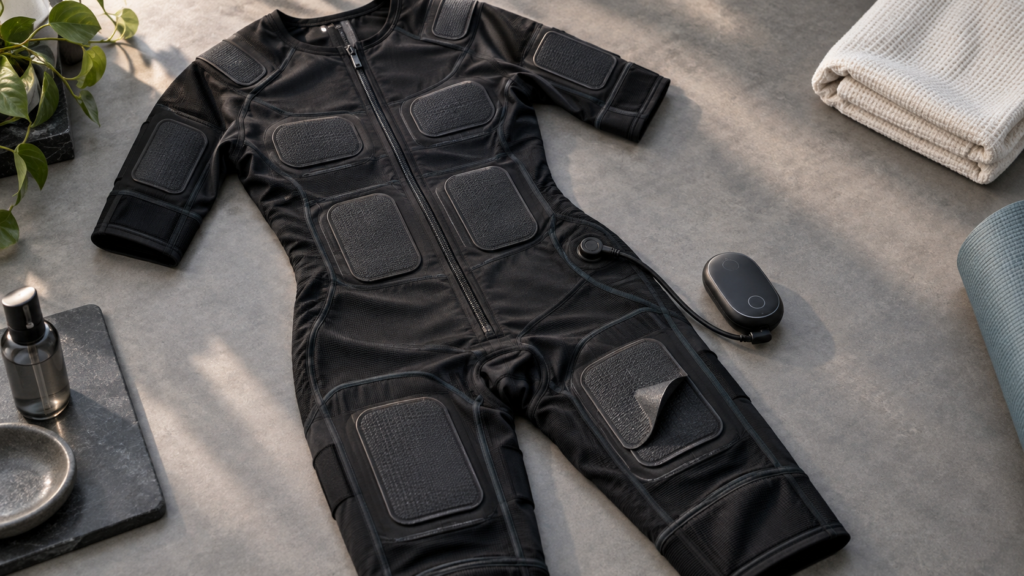
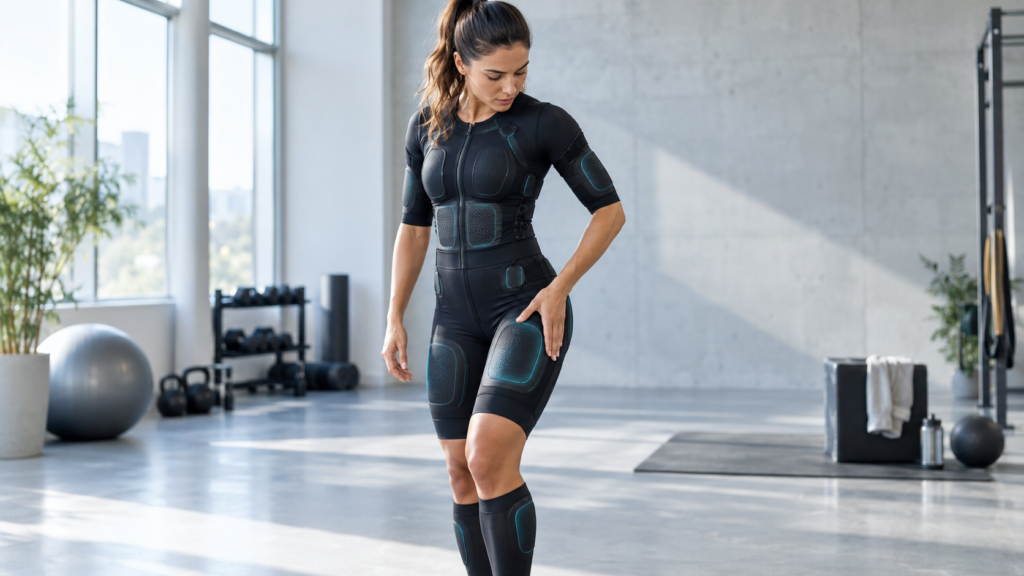
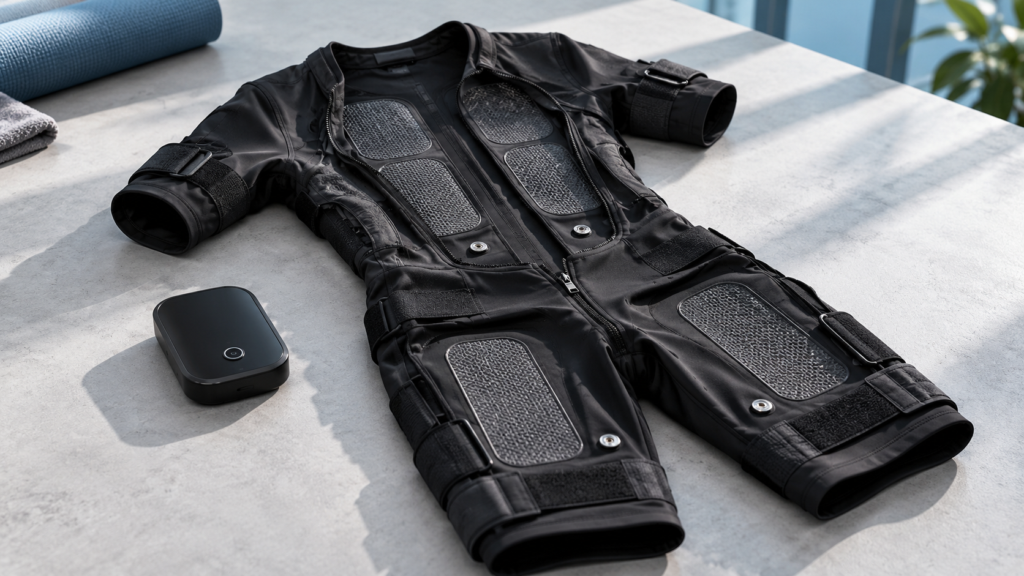
EMS training uses low-level electrical impulses to stimulate muscle contractions, mimicking and amplifying what happens during voluntary exercise. Whole-body EMS suits deliver this stimulation across multiple large muscle groups simultaneously, allowing for an intense workout in as little as 20 minutes.
For older adults, the appeal is practical:
- No heavy weights or loaded resistance required
- Minimal stress on arthritic or osteoporotic joints
- Short session duration that fits realistically into daily routines
- Performed in a supervised, controlled environment
EMS training for older adults has attracted growing attention in clinical research precisely because it addresses a real gap: the population most in need of resistance exercise often faces the most barriers to conventional resistance training.
Sarcopenia: The Age-Related Muscle Loss EMS May Help Address
Understanding why EMS training for seniors matters starts with understanding sarcopenia.
Sarcopenia is the progressive, generalized loss of skeletal muscle mass and strength associated with aging. It begins in most people in their 30s and accelerates significantly after age 60. According to research published in Physiological Reviews, adults lose roughly 1 to 2 percent of muscle mass per year after age 50, with the rate increasing in later decades.
The consequences of sarcopenia go well beyond appearance:
- Reduced walking speed and mobility
- Difficulty performing activities of daily living
- Increased fall risk and fracture rates
- Higher rates of hospitalization
- Insulin resistance and metabolic complications
Resistance training remains the most evidence-backed intervention for slowing or modestly reversing sarcopenic muscle loss. The problem is that many older adults cannot safely or comfortably participate in conventional strength training due to joint pain, limited mobility, cardiovascular limitations, or fear of injury.
This is where EMS for elderly fitness enters the picture as a compelling alternative.

What the Research Says About EMS Training for Older Adults
The research on EMS training older adults literature has expanded meaningfully over the past decade, with several well-designed studies examining outcomes across muscle mass, strength, functional performance, and body composition.
Key findings include:
- A 2014 clinical trial by Kemmler et al. found that whole-body EMS training in older women at risk for sarcopenia produced significant improvements in lean muscle mass and reductions in body fat percentage compared to controls
- Multiple studies using twice-weekly EMS protocols over 12 to 20 weeks have documented improvements in walking speed, balance, chair-rise ability, and handgrip strength in adults aged 60 and above
- A 2022 feasibility and safety pilot trial specifically examined whole-body EMS in frail older adults, finding the modality to be both feasible and safe with appropriate supervision and progressive intensity protocols
- Research consistently supports EMS sarcopenia applications as a tool worth including in healthy aging fitness strategies
It is important to contextualize the research accurately. Study protocols vary, and EMS training is not a guaranteed or universal solution. What the literature supports is that EMS training for seniors is a promising, research-backed tool for the right candidate under appropriate conditions. It is not a cure for sarcopenia or aging.
Safety Considerations for EMS Training in Older Adults
EMS training older adults safety requires more careful attention than for younger populations due to higher rates of chronic health conditions, medications, and concurrent medical management. The 2023 international WB-EMS guidelines provide updated safety and screening recommendations that all EMS providers working with older populations should follow.
Cardiovascular Screening
Older adults have significantly higher rates of hypertension, coronary artery disease, arrhythmias, and cardiac event history. Medical clearance from a cardiologist or primary care physician is strongly recommended before beginning EMS training for seniors in any individual with known or suspected cardiovascular conditions.
Pacemakers and Implanted Devices
The higher prevalence of pacemakers and implanted cardiac devices in older populations makes this an especially critical screening point. An implanted cardiac device is an absolute contraindication for EMS training.
Fall Risk Management
EMS sessions should never place an older adult in a position or movement pattern that creates a fall hazard, especially during high-stimulation phases when involuntary contractions are stronger. Well-designed EMS programs for seniors use supported positions and close supervision throughout.
Starting Low and Progressing Slowly
Older adults typically need more time to adapt to the electrical muscle stimulation that the aging process involves. Starting at significantly lower intensities and progressing more gradually than would be appropriate for younger clients is not just recommended, it is essential for safety and long-term adherence.
Practical Steps for Seniors Considering EMS Training
If you or an older adult in your life is interested in EMS training for elderly fitness goals, here is how to approach it responsibly:
1. Talk to your doctor first. Bring specific information about what EMS training involves, including the electrical intensities used, the types of exercises performed, and the session frequency. This gives your provider the context needed to make an informed recommendation.
2. Choose a studio with older adult experience. Not all EMS trainers are equally equipped to work with seniors. Ask specifically about the studio’s experience with older clients, how they modify sessions for age-related limitations, and what protocols they use for managing chronic health conditions.
3. Start conservatively. A first session that feels manageable and leaves you mildly sore is a success. An overly intense first session that results in excessive soreness or, worse, an adverse reaction, can derail the entire process. EMS sarcopenia benefits are built through consistency over weeks and months, not through aggressive early sessions.
4. Commit to a long-term approach. The muscle-maintaining and strength-building benefits of EMS training for seniors accumulate over time. A 12 to 20 week commitment with regular twice-weekly sessions is the baseline for expecting meaningful results based on the research.
The Bottom Line on EMS Training for Seniors
EMS training for seniors offers a genuinely research-supported path to maintaining muscle mass, improving strength, and supporting functional independence without the joint stress or injury risk of conventional resistance training. For older adults who have been properly screened, start at appropriate intensities, and work with an experienced trainer, electrical muscle stimulation aging interventions can be a meaningful part of a long-term healthy aging strategy.
The research on EMS sarcopenia applications continues to grow, and the evidence to date is encouraging. Used thoughtfully and under proper supervision, EMS training for older adults may help preserve the physical capacity that makes daily life more independent, comfortable, and fulfilling well into later decades.
Ready to find the right EMS suit for you or a loved one? Check out our brand reviews and product reviews to help inform your decision. You can also try our product comparison shopping tool.
Frequently Asked Questions About EMS Training for Seniors
Is there an age limit for EMS training?
Age alone does not disqualify someone from EMS training for seniors programs. Physical condition, medical history, and overall health status are far more relevant than chronological age. Many adults in their 70s and 80s participate in supervised EMS training successfully. Medical clearance and appropriate session design are the key determining factors.
Can EMS training help prevent falls in older adults?
Some research has found that EMS training is associated with improvements in balance, leg strength, and functional mobility in older adults, all of which are relevant to fall prevention. EMS training is not a formal fall prevention program, but these functional gains are an important secondary benefit of a consistent EMS training for older adults routine.
Is EMS training painful for seniors with arthritis?
EMS training does not require the joint loading associated with conventional resistance training, which may make it more comfortable for individuals with arthritis. The electrical muscle stimulation itself should not feel painful at appropriate intensity levels. Individuals with significant arthritis should discuss EMS suitability with a rheumatologist or physiotherapist before starting.
Should seniors use EMS at home or in a supervised studio?
For EMS training older adults, a supervised studio setting with a certified trainer experienced in older adult populations is strongly recommended over home use. Professional supervision provides safety monitoring, appropriate intensity calibration, and the ability to respond immediately to any concerning reactions during a session.
How does EMS compare to physiotherapy for older adults?
EMS training and physiotherapy serve different purposes. Physiotherapy addresses specific injuries, conditions, or functional deficits under clinical supervision. EMS training for seniors is a fitness and conditioning tool. For older adults with specific physical therapy needs, EMS may be a complementary addition rather than a replacement for physiotherapy.