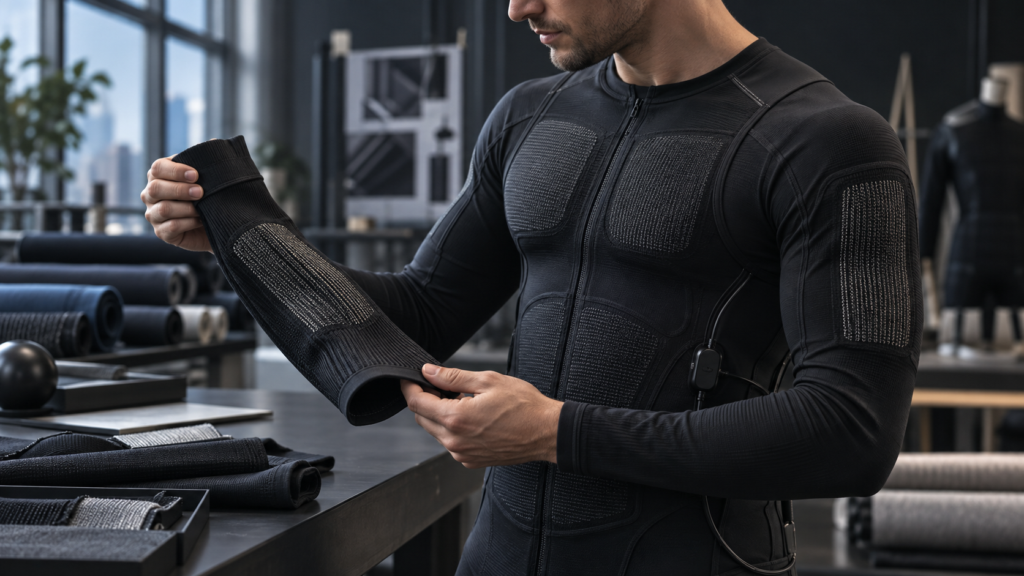

When you’re recovering from an injury or navigating limited mobility, intense workouts are often off the table. That doesn’t mean you’re stuck watching your strength disappear. While most people think of EMS fitness training as a way to build strength or improve conditioning, EMS recovery training is a more targeted application designed for people managing injury or mobility limitations. EMS training benefits extend well beyond general fitness goals, and for people in recovery, they can make a real difference in maintaining muscle when normal movement isn’t possible.
What Happens to Muscles During Injury or Limited Mobility
When an injury, surgery, or medical condition limits how much you can move, your muscles don’t just sit idle. They actively lose strength and size, a process researchers call disuse atrophy, and it happens faster than most people expect.
In one study conducted by researchers at Maastricht University, patients who were immobilized for just five days without any intervention lost 3.5% of their quadriceps muscle size and 9% of their strength. Less than a week of limited movement was enough to cause measurable muscle loss.
This is exactly where EMS training benefits become most relevant, especially for anyone facing weeks or months of restricted movement during recovery.
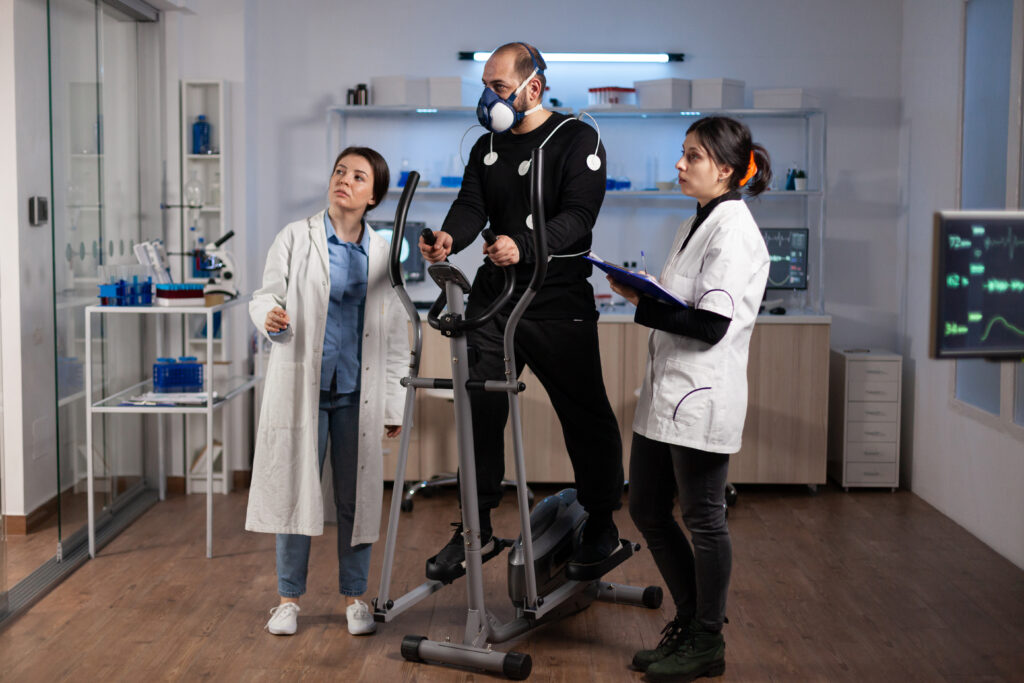
How EMS Supports Muscle Maintenance During Recovery
One of the clearest EMS training benefits is its ability to help maintain muscle during periods when normal exercise isn’t an option. This is where EMS recovery training differs from a standard fitness routine. It’s designed to work with the body during a limited, controlled window rather than push it toward performance gains.
In that same immobilization study, participants who received neuromuscular electrical stimulation sessions during their immobilization period showed no significant muscle loss, even though their limb was immobilized for the same five days as the control group, which lost 3.5%.
Reintroducing muscle contraction through EMS, even without traditional movement, appears to help support muscle protein synthesis. Broader research on muscle disuse atrophy backs this up, noting that even brief periods of bed rest or immobilization can lead to substantial muscle loss, and that reintroducing contraction through EMS can help attenuate that loss across a range of clinical situations.
EMS for Post-Surgical and Orthopedic Recovery
Among the most researched EMS training benefits is its use following orthopedic surgery, particularly knee procedures.
A systematic review of patients recovering from total knee arthroplasty found that adding NMES to standard rehabilitation led to higher quadriceps strength recovery, especially in the early weeks after surgery, compared to rehabilitation alone.
For anyone easing back into movement after joint surgery, this targeted muscle engagement can be a valuable complement to a broader recovery plan, and it’s a good example of how EMS recovery training is applied in a clinical setting.
EMS for Stroke and Neurological Mobility Limitations
EMS training benefits aren’t limited to orthopedic recovery.
Neuromuscular electrical stimulation has also been studied in stroke rehabilitation and other conditions involving paralysis or significant mobility loss. Research shows it’s used across physical and occupational therapy settings to support motor function and muscle re-education in these populations.
This wider body of research suggests EMS training benefits can extend to a range of mobility challenges, not just muscle loss from short-term injury.
Is EMS Training Safe for Injury Recovery?
Safety is a fair question when you’re already recovering from something. NMES devices are FDA-cleared to help mitigate muscle atrophy associated with disuse, and they have a long safety record of use by physical and occupational therapists in orthopedic and neurological rehab settings.
One common concern is blood clot risk during immobilization. Research actually points the other way. Published reports show NMES use is associated with a reduced risk of developing blood clots, rather than an increased one, likely due to the rhythmic muscle contractions improving circulation.
Even so, the EMS training benefits discussed here come from studies on clinical-grade NMES devices used under professional supervision.
What EMS Training Won’t Do (Honest Limitations)
It’s worth being upfront here. EMS training benefits are real, but they aren’t a replacement for physical therapy or medical guidance during recovery. Unlike general EMS fitness training aimed at performance or toning, this application requires a more conservative approach tailored to the injury.
Research notes that EMS doesn’t simply bypass the nervous system. It triggers a range of neurally mediated responses, and how effective it is depends heavily on properly identifying the specific impairment and dosing treatment appropriately for that person. In other words, results vary based on the injury, the individual, and how EMS is used alongside other recovery steps, not just whether it’s used at all.

Who Should Talk to a Doctor Before Trying EMS
Before adding EMS to a recovery routine, check with a doctor or physical therapist if you have any of the following:
- A pacemaker or other implanted electronic device
- A recent fracture that hasn’t fully healed
- An active infection near the stimulation site
- A history of blood clots or deep vein thrombosis
- You’re pregnant
The Bottom Line
Recovering from an injury or managing limited mobility doesn’t mean giving up on maintaining strength. Understanding the full range of EMS training benefits and using them appropriately, with guidance from a medical professional, can make the recovery process a little more manageable.
Thinking of getting into EMS training? Check out our product reviews to figure out the best device for you. You can also use our comparison tool.