EMS fitness means using electrical muscle stimulation as part of a regular training program, usually by wearing an EMS suit or electrodes while you move through exercises. It is not a replacement for lifting, running or playing your sport. Research suggests it works best as a time-efficient add-on with realistic, modest effects. This guide covers what EMS fitness is, what performance studies found, how to combine it with strength and cardio, a sample weekly plan, who tends to benefit, and the mistakes that cause most problems.
What Is EMS Fitness?
In EMS fitness, a controller sends low-frequency electrical impulses through electrodes placed over major muscle groups. The impulses cause the muscles to contract while you perform simple movements such as squats, lunges, rows or presses. With whole-body EMS (WB-EMS), several muscle groups are stimulated at once, each with its own intensity setting.
A typical session in research lasts about 20 minutes and alternates short stimulation periods with short rest periods. If you are new to the hardware, start with our explainers on what an EMS suit is and how electrical muscle stimulation works.
What Does Performance Research Show?
Strength, sprint and jump
A German Sport University group pooled five of its own randomized trials in 112 moderately trained young adults. One group added WB-EMS (2 sessions per week, 85 Hz, 350 microseconds, at 70 percent of each person’s pain threshold) to dynamic exercises, while the control group did the same training with external weights instead. Compared with conventional strength training, WB-EMS showed negligible extra effects on leg strength and jump height and a small effect on sprint performance. The authors called it “a feasible complementary training stimulus” but noted that additional strength and power gains seem limited (Wirtz et al., 2019).
In plain terms: for people who already train, EMS performed about as well as regular resistance training in these studies, not dramatically better.
Running and endurance
A 2023 randomized controlled trial had 59 healthy adults run twice a week for 20 minutes over eight weeks, either wearing a WB-EMS suit or running normally. Both groups improved VO2max, running speed at lactate thresholds and body fat percentage, and the differences between groups were not statistically significant. The authors suggested running with WB-EMS may offer a time-efficient option with effects comparable to high-intensity training (Krause et al., 2023).
The takeaway is the same: EMS can be a valid way to train, but the running itself was doing much of the work in both groups.
Health outcomes in non-athletes
A systematic review of WB-EMS in non-athletic adults described it as a promising option for people who are unable or unmotivated to exercise conventionally, while noting limitations and risks that need attention (Kemmler et al., 2018). For a deeper look at muscle gains, see does EMS build muscle?
How to Combine EMS With Strength and Cardio
Treat an EMS session as a hard training session, not a light extra. The muscle and metabolic load can be high even when the workout feels short. A few practical rules:
- Replace, do not stack. Swap one of your existing strength sessions for an EMS session rather than adding EMS on top of a full week.
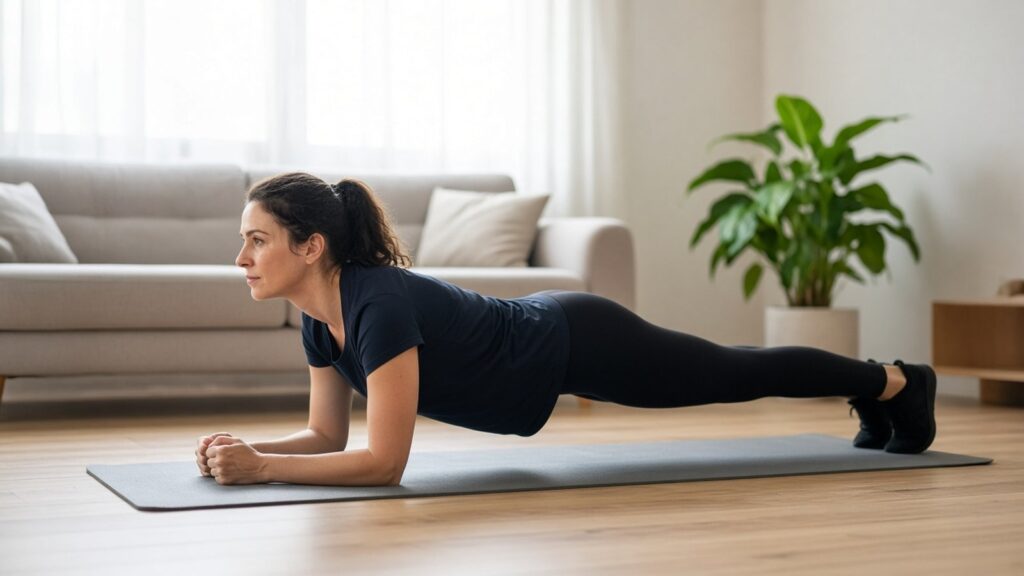
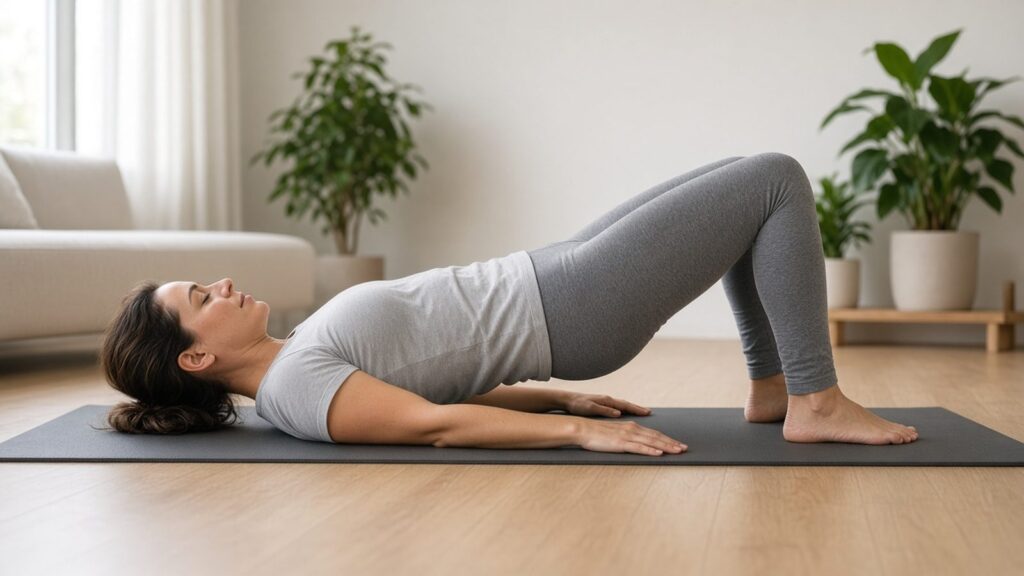
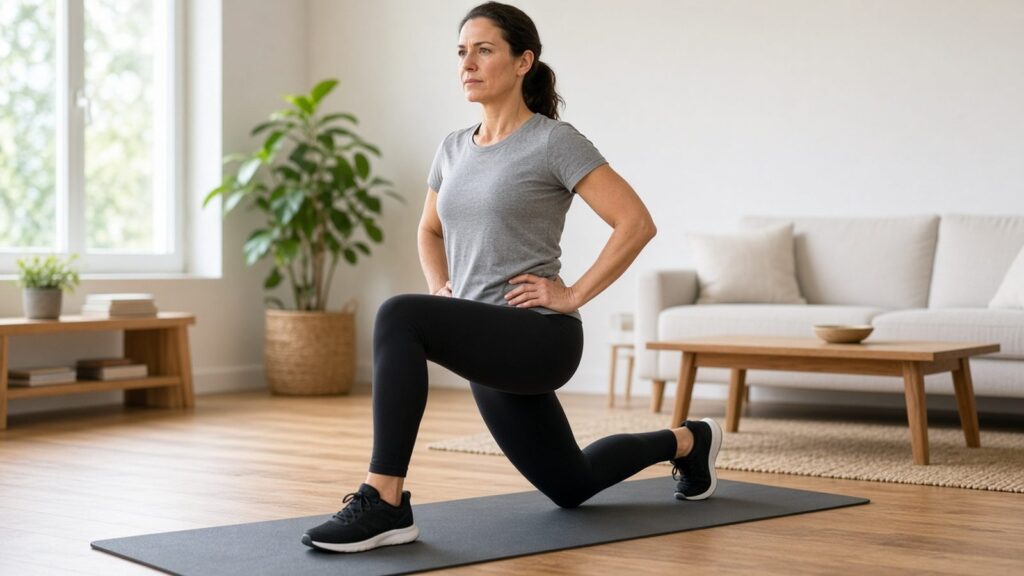
- Keep movements simple. Bodyweight squats, lunges, hinges, rows and presses let you focus on form while the stimulation adds load. Heavy free weights under stimulation need extra care.
- Separate hard days. Avoid scheduling a heavy leg day the day after a whole-body EMS session.
- Use EMS during easy cardio carefully. The running study used EMS during steady runs. If you try this, keep the pace easy and intensity low until you know how your body responds.
Our comparison of EMS training vs gym workouts covers the trade-offs in more depth.
Sample Weekly EMS Fitness Plan
The studies above used about two EMS sessions per week. This sample plan follows that pattern for a healthy adult who already exercises. Adjust it to your schedule, and use your device’s guidance on session length and rest days.
| Day | Session |
|---|---|
| Monday | Whole-body EMS session, about 20 minutes, simple bodyweight movements |
| Tuesday | Easy walk, bike or mobility work |
| Wednesday | Conventional strength training (upper body focus) |
| Thursday | Whole-body EMS session, about 20 minutes |
| Friday | Rest or light activity |
| Saturday | Cardio session at your usual pace |
| Sunday | Rest |
Beginners should start with one shorter, lower-intensity session in the first week and build gradually. Athletes with a structured season can find more detail in our guide to EMS training programs for athletes.
Who Benefits Most From EMS Fitness?
- Busy adults who want a structured full-body session in a short window.
- People who find heavy lifting hard on their joints and prefer lighter movements with added muscle stimulation.
- Recreational athletes looking for a complementary stimulus, with realistic expectations that gains over regular training may be small.
- People returning to exercise who want a guided, measured starting point, after checking with a doctor if they have health conditions.
EMS is not suitable for everyone. Read our list of EMS suit contraindications before your first session. People with pacemakers or other implanted electronic devices, epilepsy, heart conditions, pregnancy or recent surgery should talk to their doctor first.
Common EMS Fitness Mistakes
- Going too hard in the first sessions. An updated international guideline stresses careful preparation of beginners, screening for contraindications and appropriate recovery between sessions (Kemmler et al., 2023).
- Training too often. More sessions do not mean faster results. The research protocols above used about two per week.
- Skipping hydration and food. Arrive hydrated and fed, as you would for any demanding workout.
- Ignoring warning signs. Dark urine, severe or unusual muscle pain, or swelling after a session are reasons to stop and get medical advice.
- Training alone without guidance at first. The same expert guideline emphasizes close supervision by a qualified trainer. If you use a home suit, consider a few guided sessions first and keep intensity conservative. See is EMS training safe? for more.
- Expecting EMS to target fat in one area. Electrical stimulation works muscles; it does not burn fat from a specific spot.
Frequently Asked Questions
Is EMS fitness effective?
Research suggests it can produce training effects similar to conventional exercise in some measures, with small or negligible extra gains for people who already train. It is best seen as a time-efficient option, not a shortcut.
How many times a week should you do EMS?
The studies discussed here used two sessions per week. Beginners should start with fewer and follow their device’s guidance on rest between sessions.
Can EMS replace the gym?
For some people it can stand in for some strength sessions, but most programs still benefit from regular strength work, cardio and everyday movement.
Can you combine EMS with running?
One trial combined WB-EMS with twice-weekly 20-minute runs and found improvements similar to regular running. Keep the pace easy and intensity low when trying it.
What should I look for in an EMS fitness suit?
Fit, independent intensity control for each muscle zone, clear safety instructions and good support. Our guide on how to choose the best EMS suit walks through the details.
The Bottom Line
EMS fitness is a legitimate way to add a short, demanding full-body session to your week. The research shows it holds its own against conventional training rather than outperforming it, so the smart approach is to swap it in for an existing session, start conservatively, allow recovery and keep doing the strength, cardio and movement that make up the rest of a good program.
Sources
- Wirtz N, et al. Effects of whole-body electromyostimulation on strength-, sprint-, and jump performance in moderately trained young adults: a mini-meta-analysis of five homogenous RCTs of our work group. Front Physiol. 2019. PubMed 31780950
- Krause A, et al. Running with whole-body electromyostimulation improves physiological determinants of endurance performance: a randomized control trial. BMC Sports Sci Med Rehabil. 2023. PubMed 37794506
- Kemmler W, et al. Efficacy and safety of low frequency whole-body electromyostimulation (WB-EMS) to improve health-related outcomes in non-athletic adults: a systematic review. Front Physiol. 2018. PubMed 29875684
- Kemmler W, et al. Position statement and updated international guideline for safe and effective whole-body electromyostimulation training. Front Physiol. 2023. PubMed 37035684
This article is for general information and is not medical advice. Talk to your doctor before starting EMS training if you have a medical condition, an implanted device, are pregnant, or are recovering from injury or surgery.