EMS shorts put electrical muscle stimulation into a pair of training shorts, with built-in electrodes over your glutes and thighs and a small controller that sends the impulses. They promise a stronger lower body workout in less time. This guide explains how EMS shorts work, what the research on electrical stimulation of the hips and thighs actually shows, how to set them up correctly, and the safety rules that matter most, especially in your first few sessions.
What Are EMS Shorts?
EMS shorts are a lower body version of a full EMS suit. Instead of separate sticky pads, conductive electrode zones are sewn or bonded into the fabric. Most designs place electrodes over:
- the glutes (buttocks)
- the quadriceps (front of the thighs)
- the hamstrings (back of the thighs)
- on some models, the inner or outer thigh
A detachable controller, often wireless and paired with an app, sets the intensity for each zone. Because the electrodes are built into a garment, setup is faster than placing pads by hand, and you can move through full exercises while the muscles are stimulated.
It helps to know where shorts sit among the other options. Pad units target one or two muscles at a time, while full suits cover the trunk, arms and legs together. We compare those formats in EMS muscle stimulators: pad units vs full-body suits and whole-body EMS vs targeted EMS.
How Do EMS Shorts Work?
Your muscles contract when nerves deliver electrical signals to them. EMS devices send small electrical impulses through electrodes on the skin to trigger those contractions from the outside. The U.S. FDA describes a powered muscle stimulator as a device that repeatedly contracts muscles by passing electrical currents through electrodes contacting the affected body area (21 CFR 890.5850).
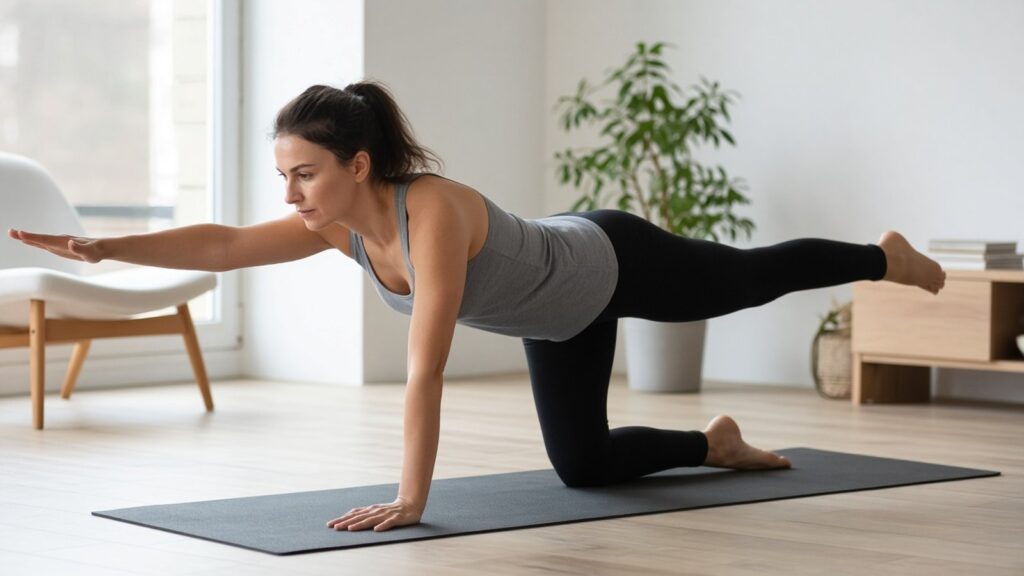
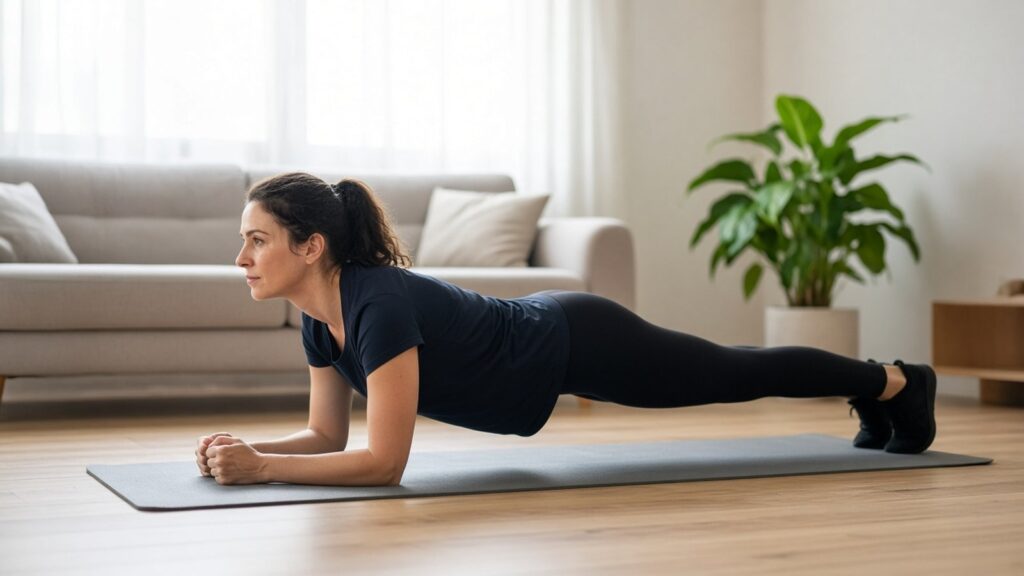
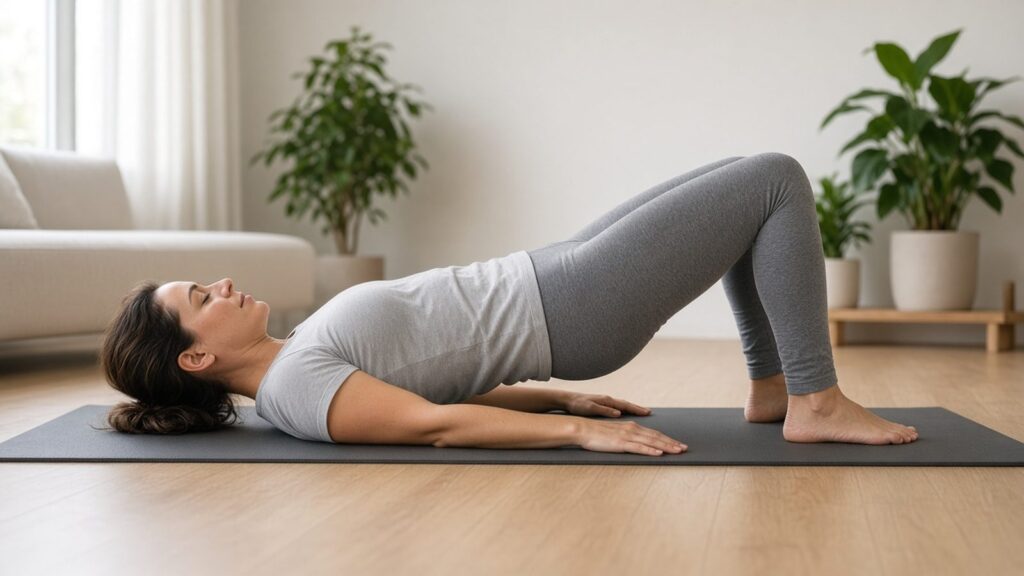
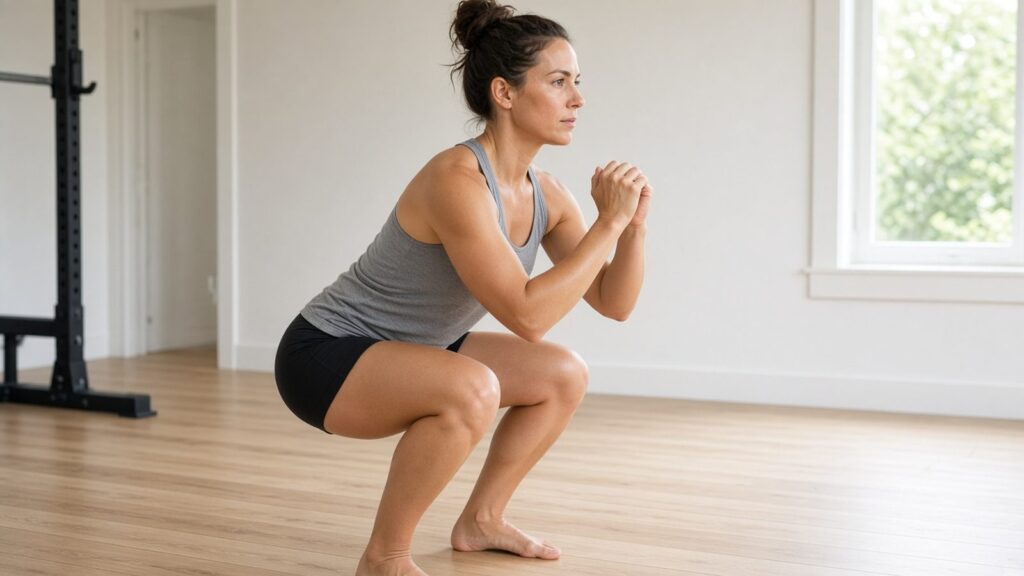
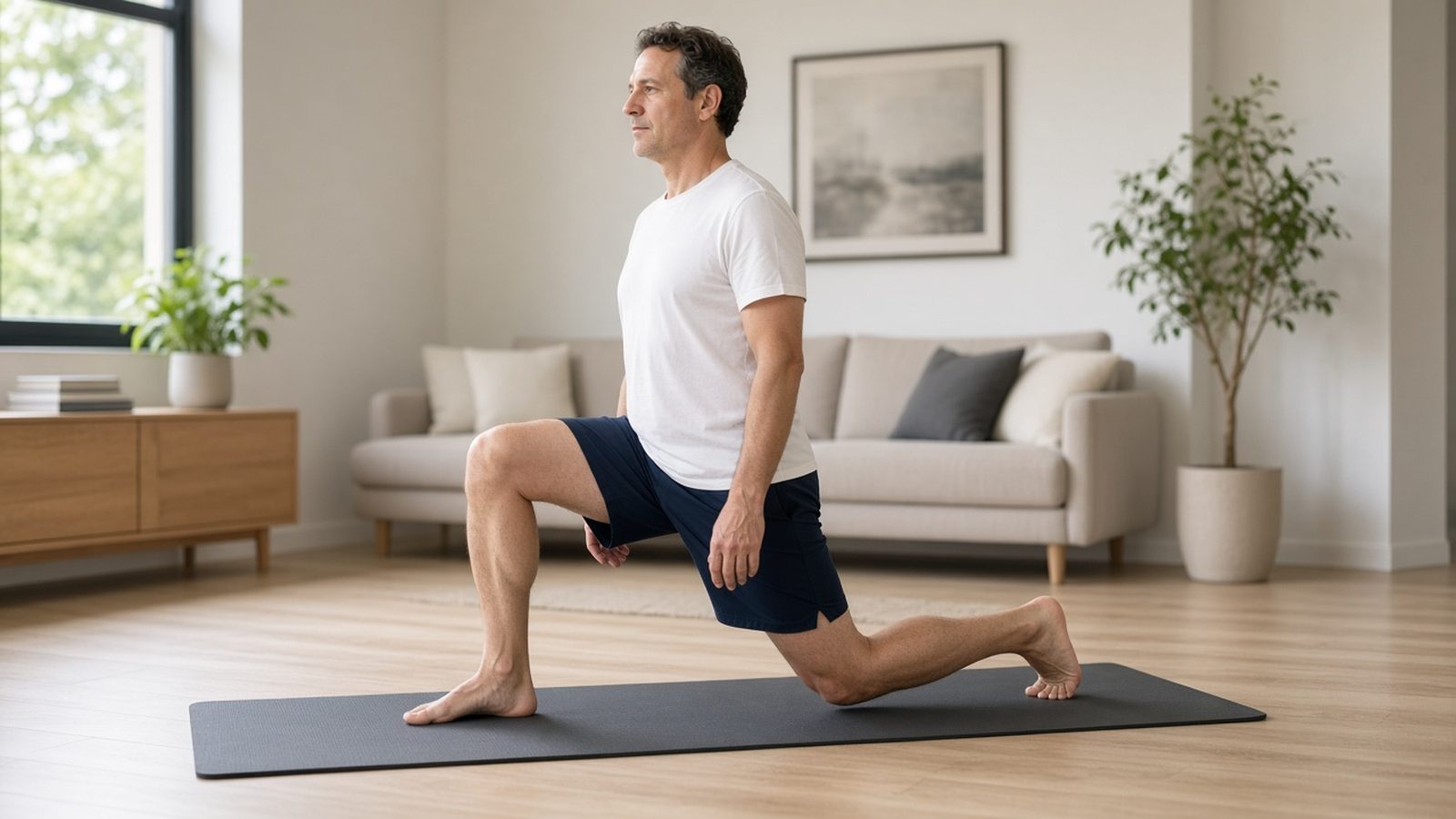
In EMS training, you usually combine the stimulation with simple movements such as squats, lunges and bridges, so the impulse adds to the work your muscles are already doing. Most programs alternate a few seconds of stimulation with a few seconds of rest. The frequency setting (measured in hertz) changes how the contraction feels, from a twitch to a sustained squeeze.
EMS shorts are training and wellness products. They are not functional electrical stimulation (FES) devices, which are medical systems designed to help people with paralysis or nerve injury perform movements such as walking. Do not use EMS shorts as a substitute for medical rehabilitation.
What Does Research Say About EMS for the Hips and Thighs?
There are few, if any, published trials on EMS shorts as a product category. Most of the relevant evidence comes from whole-body EMS (WB-EMS) suits, which stimulate the same leg and hip muscles along with the rest of the body.
Thigh muscle quality with once-weekly sessions
In a 2021 randomized controlled trial in Frontiers in Physiology, 54 moderately active men aged 18 to 70 were assigned to either 20 minutes of WB-EMS once a week at home or a control group. After 16 weeks, MRI scans of the mid-thigh showed that the EMS group had more muscle tissue and less fat infiltrated between the muscles relative to the control group. The authors concluded that once-weekly WB-EMS significantly affected thigh muscle quality in these men. Keep in mind this used a whole-body suit, not shorts, and measured muscle quality rather than looks or weight.
Why fit and placement matter
Every muscle has motor points, spots where a small current produces a contraction most easily. A 2011 study in the European Journal of Applied Physiology mapped motor points for 10 lower limb muscles in 53 healthy adults, including the quadriceps, hamstrings and calves. It found important differences between people for several of these points, including the outer quadriceps and some hamstring muscles. In practice, that means a pair of shorts that fits loosely or sits too high or low may stimulate unevenly. For more on electrode coverage, see our guide to EMS electrode size.
What EMS shorts cannot do
- They do not burn fat in a specific spot. Stimulating your glutes or thighs does not selectively remove fat from those areas.
- They are not the same as clinic body contouring machines. Results from clinic devices should not be expected from home shorts.
- They do not replace training. The best-supported use is as an add-on to exercise, not a passive alternative to it.
How to Use EMS Shorts: Step by Step
- Check that you can use EMS. Read the contraindications in the next section first.
- Prepare the electrodes. Many garments need the electrode zones dampened with water or a conductive spray. Follow the manual; dry electrodes can cause patchy, prickly stimulation.
- Get a snug fit. The electrodes should sit flat against the muscle bellies of your glutes and thighs with no folds or gaps. Size up or down rather than wearing loose shorts.
- Attach the controller and start at the lowest intensity. Raise each zone slowly until you feel a firm but comfortable contraction. It should never be painful.
- Move with the impulse. Pair contractions with slow squats, reverse lunges, glute bridges or hip hinges. Breathe normally and keep good form.
- Keep the first session short and easy. Use a beginner program at low intensity, then give your muscles a few days to recover before the next session. In one study, blood markers of muscle stress peaked 72 hours after a first session.
- Progress gradually. Increase intensity or session length a little at a time over several weeks.
- Clean and dry the garment as the manufacturer directs, and check electrodes and cables for wear before each use.
If you are targeting the glutes specifically, our article on EMS glute activation covers exercise pairings in more detail.
Are EMS Shorts Safe? Key Precautions
Start low because muscle damage is a real risk
Large muscle groups like the glutes and thighs can be overworked by strong stimulation, especially in your first session. In a 2026 randomized study in Medicine & Science in Sports & Exercise, sedentary adults who did a single WB-EMS session showed marked rises in creatine kinase and myoglobin, blood markers of muscle damage, peaking 72 hours later, even though the session felt easy. A control group doing the same exercise without EMS showed no such change. A 2019 review found reports of rhabdomyolysis, a serious breakdown of muscle tissue, after WB-EMS, mostly after the first session. Signs to watch for include severe muscle pain, weakness, swelling or dark urine; seek medical care right away if they appear.
Who should not use EMS shorts without medical advice
The FDA’s guidance for powered muscle stimulators says they should not be used by people with cardiac demand pacemakers. It also states that safety during pregnancy has not been established and that caution is needed for people with heart problems, epilepsy, recent surgery, bleeding risk after injury or fracture, or areas of skin that lack normal sensation. It advises against stimulation over the menstruating or pregnant uterus, over or near cancerous lesions, and over swollen, infected or inflamed areas or skin eruptions such as varicose veins. Because EMS shorts often sit close to the lower abdomen, talk to your doctor first if any of these apply to you. More general guidance is in our article Is EMS training safe?
Everyday safety habits
- Use only the electrodes and leads recommended by the manufacturer.
- Never use the shorts while driving or operating machinery.
- Stop if you feel burning, sharp pain, dizziness or skin irritation.
- Stay hydrated and avoid EMS when you are ill or after an unusually hard workout.
- Keep the device away from children.
EMS Shorts FAQ
Do EMS shorts really work?
EMS can produce real muscle contractions, and whole-body EMS studies show measurable changes in thigh muscle quality over months. Shorts-specific trials are scarce, and results depend on fit, consistent use and pairing stimulation with exercise.
How often should I use EMS shorts?
Follow your device’s program and leave recovery days between sessions. The 2021 thigh study used one 20-minute session a week, and the 2026 muscle damage study found that markers of muscle stress peaked about three days after a first session.
Can EMS shorts lift or shape my butt?
They can help train the glute muscles, but they cannot remove fat from that area on their own. Overall body composition still depends on training, diet and activity.
EMS shorts or a full EMS suit?
Shorts focus on the hips and legs and are simpler to put on. A full suit covers the trunk and arms too. Choose based on which muscles you want to train.
Sources
- 21 CFR 890.5850, Powered muscle stimulator. eCFR
- U.S. Food and Drug Administration. Guidance Document for Powered Muscle Stimulator 510(k)s. 1999. fda.gov
- Zink-Rückel C, et al. Once Weekly Whole-Body Electromyostimulation Enhances Muscle Quality in Men: Data of the Randomized Controlled Franconian Electromyostimulation and Golf Study. Front Physiol. 2021. PubMed 34366890
- Botter A, et al. Atlas of the muscle motor points for the lower limb: implications for electrical stimulation procedures and electrode positioning. Eur J Appl Physiol. 2011. PubMed 21796408
- Melekoğlu T, et al. Acute Biochemical Muscle Damage Responses to a Single Session of Whole-Body Electromyostimulation. Med Sci Sports Exerc. 2026. PubMed 41839178
- Stöllberger C, Finsterer J. Side effects of whole-body electro-myo-stimulation. Wien Med Wochenschr. 2019. PubMed 30141113
This article is for general education and is not medical advice. Talk with your doctor before starting EMS if you have a health condition, are pregnant, or have an implanted device.